
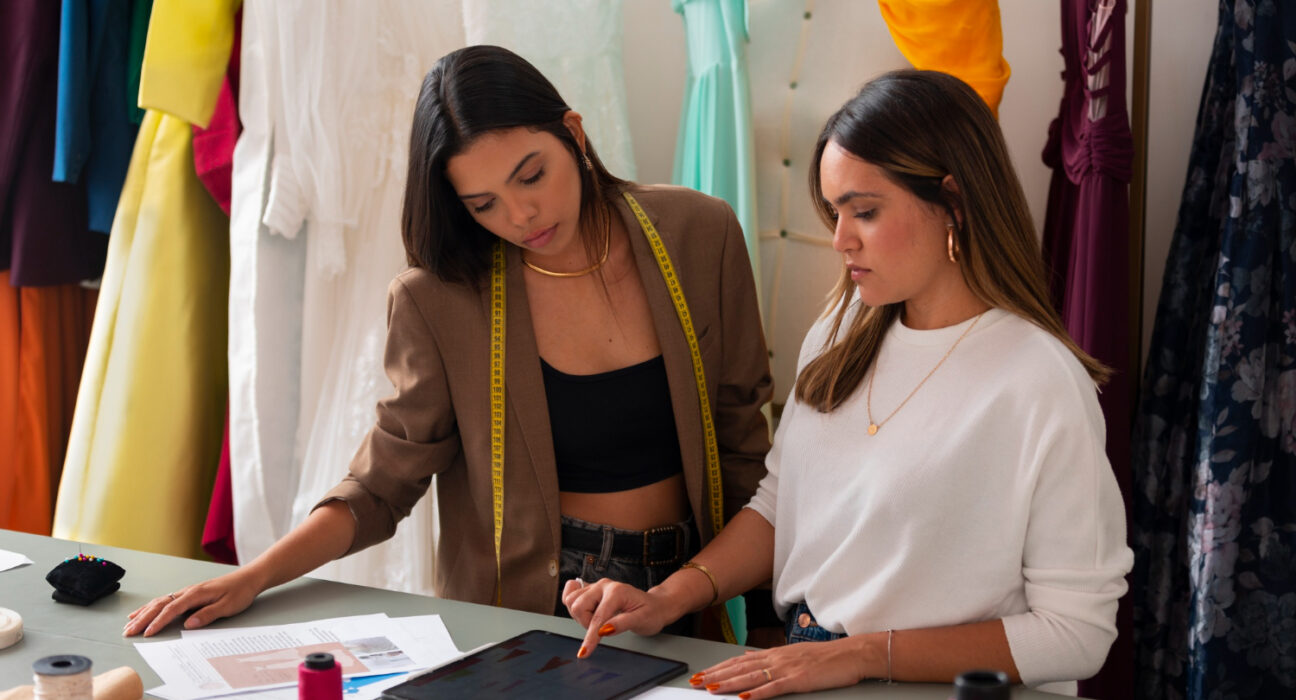
If you want to know how to get started as a fashion designer, the short answer is this: build your sketching and sewing skills, create a small but strong portfolio, learn the business side of fashion, and get real experience through internships or freelance projects before you try to launch your own label. It is a craft you learn by doing, not just by studying.
This guide breaks the process down into clear, practical steps. Whether you are a teenager Fashion Designer Make filling sketchbooks or an adult considering a career change, the path is more accessible than most people assume.
What Does a Fashion Designer Actually Do?
A fashion designer creates clothing and accessories by combining creativity with technical skill. The role usually includes sketching designs, choosing fabrics, working with pattern makers, overseeing sample production, and adjusting fits until a garment is ready for sale.
Some designers work for large fashion houses. Others run their own independent labels. Many start out doing both, taking a day job in the industry while building a personal brand on the side.
Step 1: Learn the Fundamentals of Design
Before anything else, you need a solid grasp of design basics. This includes:
- Sketching and illustration, so you can communicate ideas quickly
- Colour theory and fabric knowledge
- Basic garment construction and pattern making
- Sewing, even if you plan to hire someone else later
You do not need a fashion degree to start, but formal training helps. Colleges and short courses in pattern cutting, textiles, or garment construction give you a structured foundation that is hard to replicate through trial and error alone.
Many working designers say the same thing: understanding how a garment is actually constructed makes you a far better designer, even if you never sew professionally again.
Step 2: Build a Portfolio That Shows Range
Your portfolio is your calling card. It should show design thinking, not just pretty sketches.
A strong beginner portfolio typically includes:
- Original sketches with notes on fabric and construction
- Photographs of finished garments, even simple ones
- A mix of styles that shows versatility
- One or two complete “collections” with a clear theme
Quality matters more than quantity. Ten well-executed pieces beat forty rushed ones. If you are applying to design schools or entry-level roles, tailor the portfolio to match what that specific opportunity is looking for.
Step 3: Get Practical Experience
Classroom learning only goes so far. Real growth happens on the job.
Look for:
- Internships with designers, studios, or fashion brands
- Assistant roles in pattern cutting or garment production
- Freelance work making custom pieces for local clients
- Volunteering to help with small fashion shows or photoshoots
Even unpaid or low-paid early experience teaches you things no textbook covers, such as how tight deadlines really are, how much fabric actually costs, and how to handle client feedback gracefully.
Step 4: Understand the Business Side
Design talent alone rarely builds a career. You also need to understand:
- Costing and pricing garments
- Sourcing fabric and suppliers
- Basic marketing and social media presence
- Working with manufacturers if you plan to scale production
Many talented designers struggle because they never learn pricing or production logistics. Treating fashion as both a craft and a business from day one puts you well ahead of most beginners.
Step 5: Start Small and Build Momentum
You do not need a runway show to begin. Many successful designers started with:
- A small capsule collection sold online
- Custom pieces made for friends and local customers
- Pop-up stalls at markets or community events
- A well-curated Instagram or Pinterest page showcasing their work
Starting small lets you test ideas, gather feedback, and improve without the pressure of a major launch. It also builds a track record you can point to later.
Common Mistakes New Fashion Designers Make
- Skipping pattern making basics and relying only on trends
- Underpricing garments, which makes the business unsustainable
- Copying other designers instead of developing a personal point of view
- Waiting for the “perfect” collection before showing any work publicly
Avoiding these early mistakes saves time and protects your confidence.
Quick Summary: How to Get Started as a Fashion Designer
- Learn sketching, construction, and fabric basics
- Build a focused, high-quality portfolio
- Gain hands-on experience through internships or freelance work
- Understand pricing, sourcing, and marketing
- Launch small and grow through consistent output
Getting started as a fashion designer is a gradual process built on skill, experience, and persistence rather than a single lucky break. Focus on developing solid fundamentals, showing your work early, Black Fedora Women’s Hats and treating your creativity as both an art form and a business.
Frequently Asked Questions
1.Do I need a degree to become a fashion designer?
No, a degree is not strictly required, but formal training in pattern cutting, garment construction, and textiles gives you a stronger foundation and can open doors to internships.
2.How long does it take to become a fashion designer?
Most designers spend two to four years building foundational skills and a portfolio before landing steady paid work, though this varies widely depending on prior experience.
3.What skills do I need to start as a fashion designer?
Core skills include sketching, sewing, pattern making, fabric knowledge, and a basic understanding of pricing and marketing.
4.Can I become a fashion designer without sewing skills?
Yes, some designers focus purely on design and concept while working with pattern makers and sewers, though understanding construction still improves your designs.
5.How much money do I need to start a fashion label?
Costs vary greatly, but many designers start small with a capsule collection, keeping initial investment low by using local suppliers and made-to-order production.