
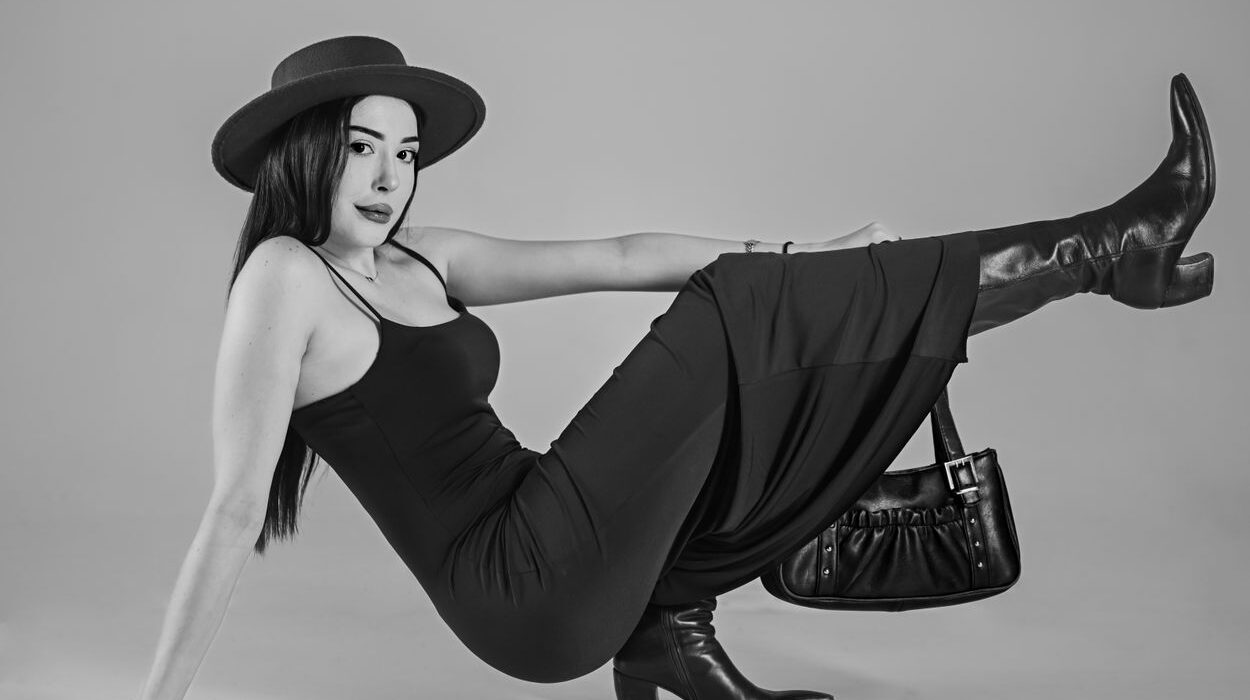
The black fedora women’s hats trend from the 70s and 80s wasn’t just a passing fad. It was a genuine style revolution that changed how women approached headwear forever. If you’ve ever wondered why this particular hat still turns heads on runways and street style blogs today, you’re not alone.
This guide breaks down exactly where the trend came from, why it mattered, and how you can wear it authentically now.
A fedora is a soft felt hat with a pinched crown and a wide, flexible brim. Traditionally a menswear staple, it crossed into women’s fashion decades ago and never really left. The black version became Black Fashion Outfits especially iconic because it paired with almost anything, from tailored suits to flowing bohemian dresses.
How the 70s Turned the Fedora Into a Feminist Statement
The 1970s saw women borrowing heavily from menswear wardrobes, and the fedora sat right at the centre of that shift.
Designers like Yves Saint Laurent had already normalised androgynous tailoring in the late 60s with “Le Smoking.” By the 70s, the black fedora became a natural extension of that attitude. Women wore it with wide-leg trousers, silk blouses, and platform boots to project confidence and independence.
It also fit neatly into the decade’s bohemian streak. Think folk singers, festival-goers, and the rise of disco glamour. A black fedora with a wide brim added drama without needing bright colours or heavy accessories.
Key 70s pairings included:
- Wide-leg trousers with a fitted blouse
- Maxi dresses with a leather belt
- Denim flares with a suede jacket
- Turtlenecks under blazers
Why the 80s Pushed the Fedora Into Power Dressing
The 80s changed the mood entirely. Fashion became bolder, sharper, and unapologetically confident. The black fedora shifted from bohemian accessory to a symbol of professional power.
This was the era of shoulder pads, structured blazers, and women stepping into corporate spaces in greater numbers. A black fedora added authority to an outfit without softening the silhouette. Music videos and film noir-inspired styling also brought the hat back into mainstream visibility, giving it a slightly mysterious, edgy quality.
Celebrities and pop icons of the decade often paired fedoras with tailored coats or leather jackets, cementing the hat as a statement piece rather than a background accessory.
Common 80s styling choices:
- Structured blazers with wide shoulders
- Leather jackets and skinny belts
- Pencil skirts with ankle boots
- Monochrome outfits for a sleek finish
What Made the Black Colour Choice So Popular
Black offered practicality and versatility that other colours couldn’t match. It worked with every outfit, every season, and every occasion, from daytime errands to evening events.
Stylists at the time often pointed out that black also carried a certain seriousness. It suggested sophistication rather than playfulness, which suited both the feminist undertones of the 70s and the ambition-driven energy of the 80s.
How to Wear a Black Fedora Today Using 70s and 80s Inspiration
The good news is this trend translates easily into modern wardrobes. You don’t need to recreate an entire decade to get the look right.
Practical styling tips:
- Pair it with a tailored blazer for a modern take on 80s power dressing.
- Wear it with flared trousers and a fitted top to channel 70s ease.
- Keep jewellery minimal so the hat remains the focal point.
- Choose a wool felt version for autumn and winter, and a lighter straw-blend fedora for warmer months.
- Position the brim slightly tilted rather than perfectly straight for a more natural finish.
From personal experience styling vintage pieces, the biggest mistake people make is pairing a fedora with an already busy outfit. The hat works best when it’s the statement piece, not a competing one.
Fedora vs Other 70s and 80s Hat Styles
| Hat Style | Popular Decade | Typical Vibe |
| Black Fedora | 70s and 80s | Bold, versatile, powerful |
| Cloche Hat | Early revival in 70s | Soft, romantic |
| Beret | Late 70s into 80s | Casual, artistic |
| Wide-Brim Sun Hat | 70s | Bohemian, relaxed |
This comparison shows why the fedora outlasted many of its contemporaries. Its adaptability across formal and casual settings gave it staying power that softer, single-purpose hats didn’t have.
Conclusion
The black fedora women’s hats trend from the 70s and 80s remains one of fashion’s most enduring crossovers, moving from countercultural symbol to corporate confidence booster within a single decade. Its simplicity, Popular Clothing Brand versatility, and quiet boldness explain why designers and everyday wearers keep returning to it. Whether you’re building a vintage-inspired wardrobe or just want one statement piece that works across seasons, a black fedora still delivers exactly what it did fifty years ago.
Frequently Asked Questions
1. What decade made the black fedora popular for women?
The black fedora became widely popular for women in the 1970s as part of the androgynous, menswear-inspired fashion movement, then grew even more prominent in the 1980s power dressing era.
2. Why was black the most common fedora colour in this era?
Black offered maximum versatility, working with almost any outfit colour or style, while also conveying a sense of sophistication and seriousness that suited both decades’ fashion moods.
3. How can I style a black fedora with modern outfits?
Pair it with tailored blazers, flared trousers, or simple monochrome outfits. Keep other accessories minimal so the hat remains the focal point.
4. Is the black fedora still fashionable today?
Yes, it remains a popular vintage-inspired accessory, frequently seen in street style, editorial fashion, and modern reinterpretations of 70s and 80s trends.
5. What materials were black fedoras usually made from in the 70s and 80s?
Wool felt was the most common material, offering structure and durability, though straw-blend versions also appeared for warmer weather styling.



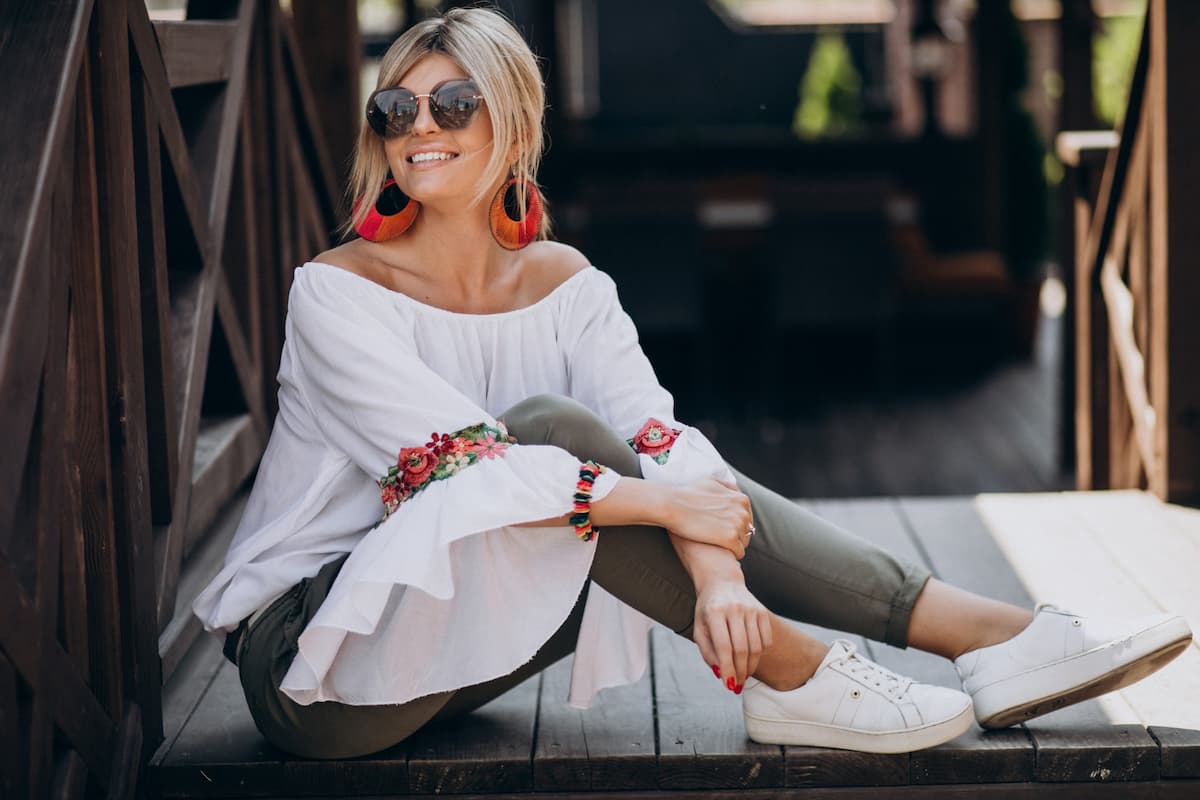
Smart Casual Outfits Women: Office Style Guide
August 6, 2026[…] that smart casual does not have one universal definition. Workplace expectations vary by company, Black Fedora Women’s Hats industry and location, so the right outfit for a creative office may be too relaxed for a law firm […]