

Learning how to find your style in men’s fashion starts with understanding your body, your lifestyle, and the clothes that make you feel confident. It’s not about chasing trends. It’s about building a wardrobe that reflects who you actually are, day to day, without overthinking every outfit.
Most men struggle with style not because they lack taste, but because they’ve never been Luxury Men’s Fashion shown a clear process. This guide breaks that process down into practical, repeatable steps you can start using today.
What Does “Personal Style” Actually Mean?
Personal style is a consistent way of dressing that suits your body shape, lifestyle, and personality. It’s recognisable, comfortable, and doesn’t require constant decision-making.
Think of it as a filter. Once you know your style, shopping becomes faster because you instantly know what belongs in your wardrobe and what doesn’t.
Style is different from fashion. Fashion changes every season. Style stays with you and simply gets refined over time.
Step 1: Understand Your Body Shape First
Clothes that fit well always look better than clothes that follow trends. Before picking colours or brands, identify your body shape.
Common male body shapes include:
- Rectangle balanced shoulders and waist
- Triangle narrower shoulders, wider hips
- Inverted triangle broad shoulders, narrower waist
- Oval fuller midsection
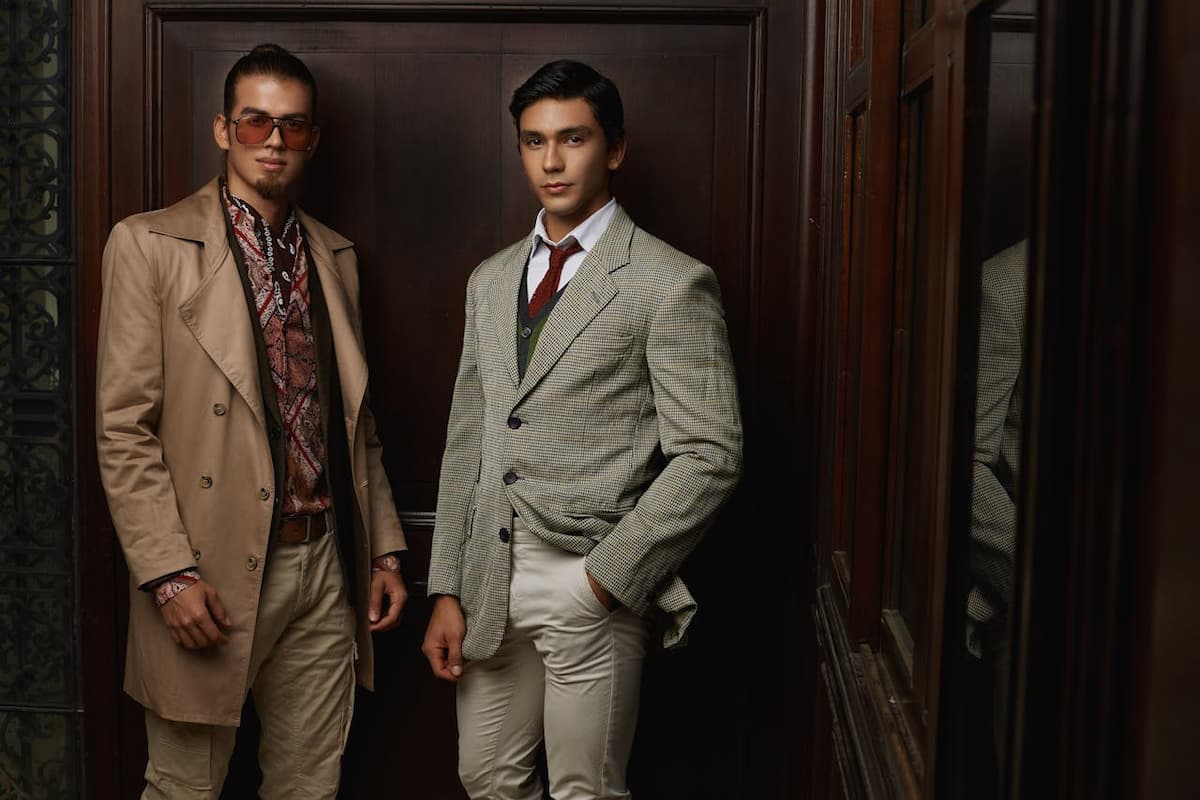
Once you know your shape, fit becomes your best styling tool. For example, men with a triangle shape often benefit from structured jackets that add shoulder definition, while men with an Winter Clothing for Men inverted triangle shape look sharper in slightly relaxed trousers that balance proportions.
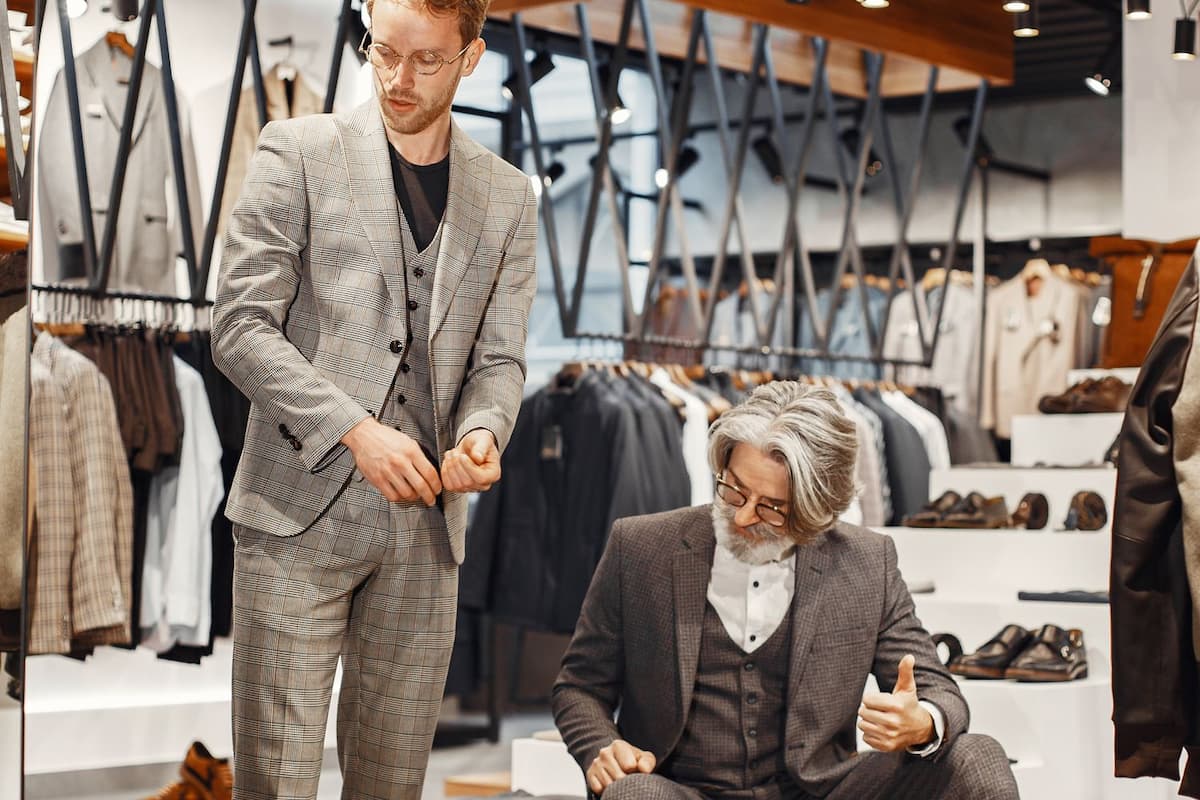
A tailor’s advice here is worth more than any trend article. Even a £15 alteration can transform how an outfit looks.
Step 2: Audit Your Current Wardrobe Honestly
Before buying anything new, go through what you already own. Separate items into three piles:
- Clothes you wear often and feel confident in
- Clothes that don’t fit or suit you anymore
- Clothes you’re unsure about
This step alone reveals patterns. Most men discover they naturally gravitate toward certain colours, fits, or fabrics without realising it. That pattern is often the beginning of your personal style.
Step 3: Define Your Lifestyle Needs
Your wardrobe should match how you actually live, not how you imagine living. A remote worker doesn’t need five blazers. A tradesman doesn’t need delicate knitwear.
Ask yourself:
- What do I wear most days: office, casual, outdoor, creative?
- How often do I dress up versus dress down?
- What’s my budget for quality basics?
Building a wardrobe around real routines prevents wasted purchases and decision fatigue.
Step 4: Choose a Colour Palette That Works With You
A simple colour palette makes outfits easier to put together and creates a cohesive look across your wardrobe.
Start with a base of neutral tones such as navy, grey, black, white, and beige. These mix easily and rarely go out of style. Then add two or three accent colours that suit your skin tone, 1920 Mens Fashion Trends such as olive green, burgundy, or soft blue.
This approach, often used by professional stylists, removes guesswork and reduces the number of “mistake” purchases in your closet.
Step 5: Build Around Versatile Core Pieces
Style isn’t built through one statement item. It’s built through pieces that work together.
Essential building blocks for most men include:
- A well-fitted white shirt
- Dark denim or tailored trousers
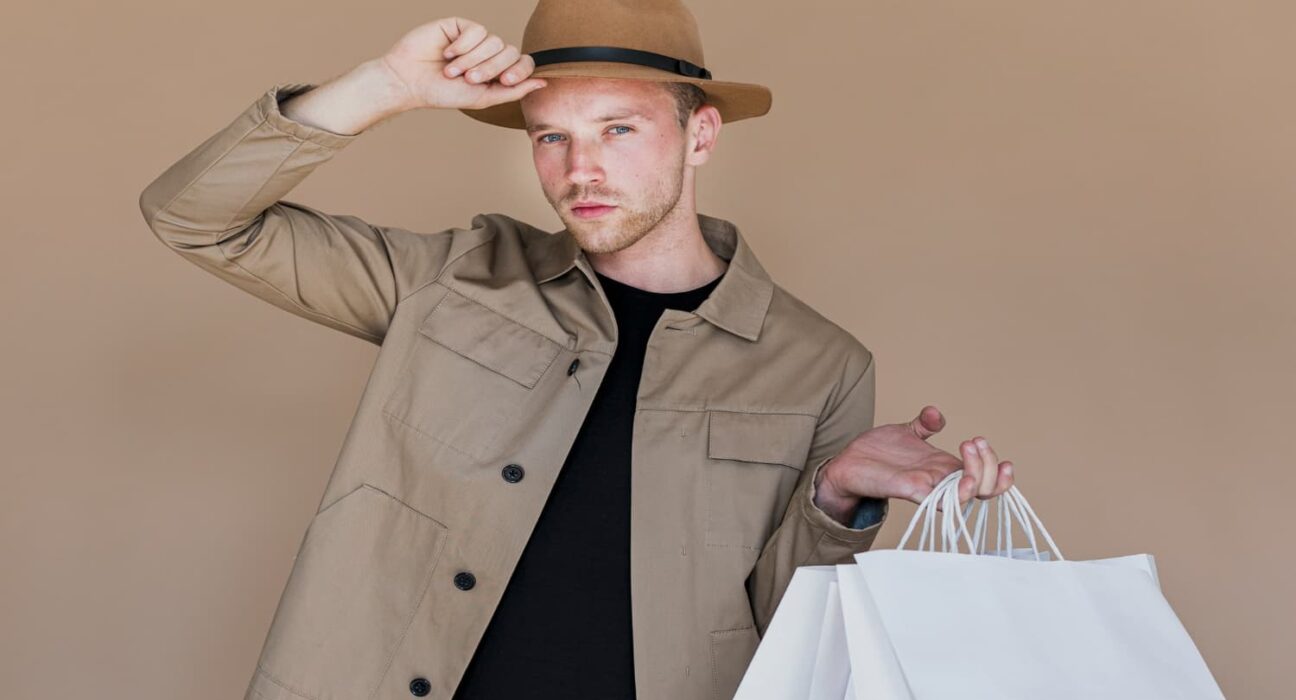
- A neutral overshirt or jacket
- Clean, minimal trainers or leather shoes
- A quality knit or crewneck jumper
These pieces form a foundation you can dress up or down depending on the occasion. Once the basics are solid, experimenting with texture, layering, or accent colours feels much less risky.
Step 6: Study Style, Don’t Copy It
Following menswear creators, tailors, or stylists is useful, but the goal isn’t to copy outfits exactly. Instead, notice patterns you’re drawn to. Do you prefer structured tailoring or relaxed streetwear? Muted tones or bold colour blocking?
Save outfit inspiration, but always adapt it to your Luxury Brands body shape, comfort level, and daily life. Style that feels forced never looks natural, no matter how well the outfit photographs.
Step 7: Refine Through Trial and Feedback
Style development is a process, not a single decision. Wear new combinations, notice how you feel, and adjust from there.
Trusted friends, partners, or even a mirror check before leaving the house can offer helpful, honest feedback. Confidence tends to follow clarity, and clarity comes from repetition.
Quick Summary: How to Find Your Style in Men’s Fashion
- Identify your body shape before choosing fits
- Audit your existing wardrobe for patterns
- Match clothing to your real lifestyle
- Build a simple, cohesive colour palette
- Invest in versatile core pieces first
- Draw inspiration without copying directly
- Refine your style gradually through real-world wear
Following these steps consistently is the most reliable way to find your style in men’s fashion, because it focuses on fit, function, and personal comfort rather than fast-changing trends.
Frequently Asked Questions
1. How do I start finding my personal style as a man?
Begin by identifying your body shape, auditing your current wardrobe, and noting which clothes make you feel most confident. This reveals natural preferences you can build on.
2. What’s the easiest way to build a men’s capsule wardrobe?
Focus on versatile basics like a white shirt, dark trousers, neutral jacket, and clean trainers. These pieces mix easily and reduce daily decision-making.
3. Does body shape really affect what looks good on me?
Yes. Fit has a bigger visual impact than colour or trend. Clothes tailored to your body shape instantly look sharper and more intentional.
4. How many colours should be in a men’s wardrobe?
Most stylists recommend a base of two to three neutral tones plus two or three accent colours. This keeps outfits easy to coordinate.
5. How long does it take to develop a personal style? It varies, but most men notice a
clearer sense of style within three to six months of consistent wardrobe audits and mindful shopping.