
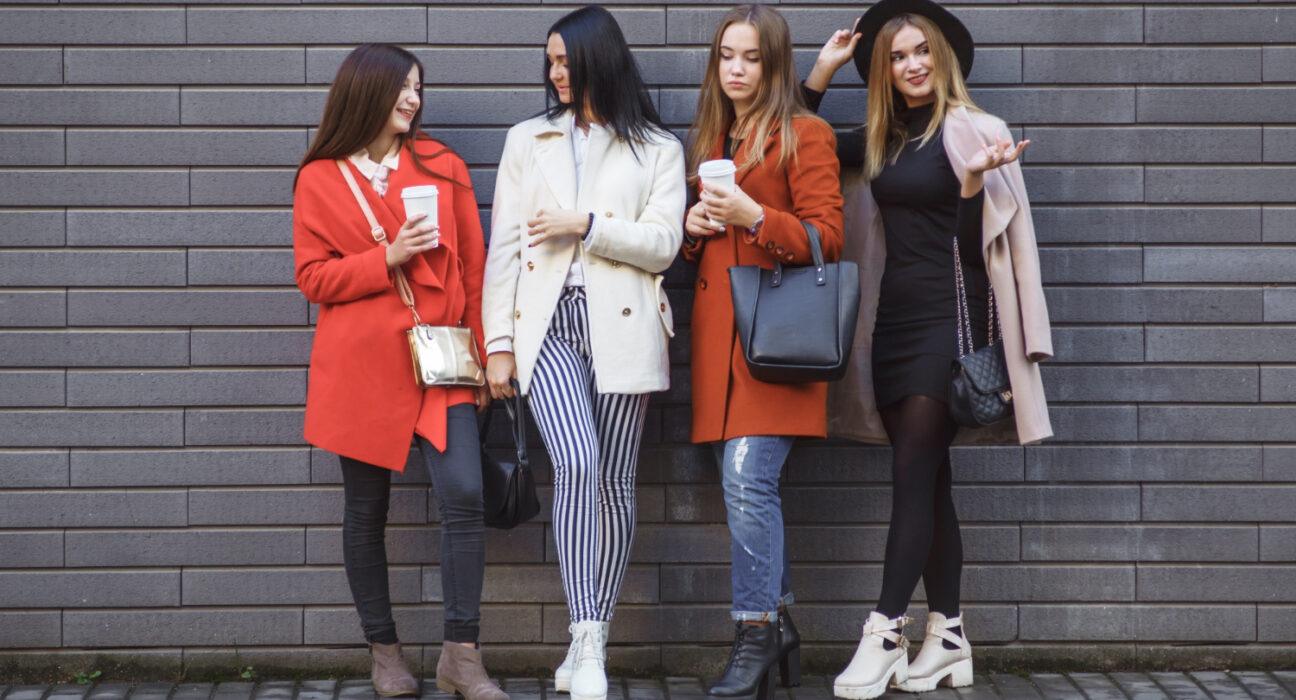
Fashion trends move fast, but not every trend is worth chasing. The best fashion trends for everyday style are the ones that are easy to wear, easy to mix with what you already own, and easy to find at scale. Whether you’re building a personal wardrobe or sourcing stock as a retailer, this guide breaks down ten trends worth trying now, plus what to know if you’re buying wholesale fashion trends for your store.
Unlike most trend round-ups that stay theoretical, this article focuses on practical application. You’ll find real styling advice, honest pros and cons, and sourcing guidance for boutique owners and independent retailers who need trends that actually sell.
What Counts as a Real Fashion Trend in 2026?
A fashion trend is a style, silhouette, colour, or fabric that gains noticeable popularity across a season or longer, driven by repetition across runways, social media, and consumer behaviour. Fashion analysts generally agree that a pattern needs to repeat across multiple collections or platforms before it qualifies as a genuine trend rather than a passing moment.
In practice, this means the trends below have already shown staying power. They’ve appeared across several fashion weeks, been adopted by mainstream retailers, and held up in search and social data for more than one season. That’s what separates a lasting trend from a fad.
10 Fashion Trends for Everyday Style
1. Quiet Luxury Basics
Quiet luxury focuses on quality fabrics, tailored fits, and neutral tones rather than logos or loud branding. Think structured blazers, cashmere-blend knits, and well-cut trousers in camel, cream, and charcoal.
How to wear it: Invest in one or two hero pieces, such as a tailored coat, and build the rest of the outfit around simple layers.
Wholesale tip: Retailers should stock neutral tailoring in versatile fabrics that photograph well and suit multiple body types, since quiet luxury sells on fit and fabric quality rather than print.
2. Denim on Denim, Done Right
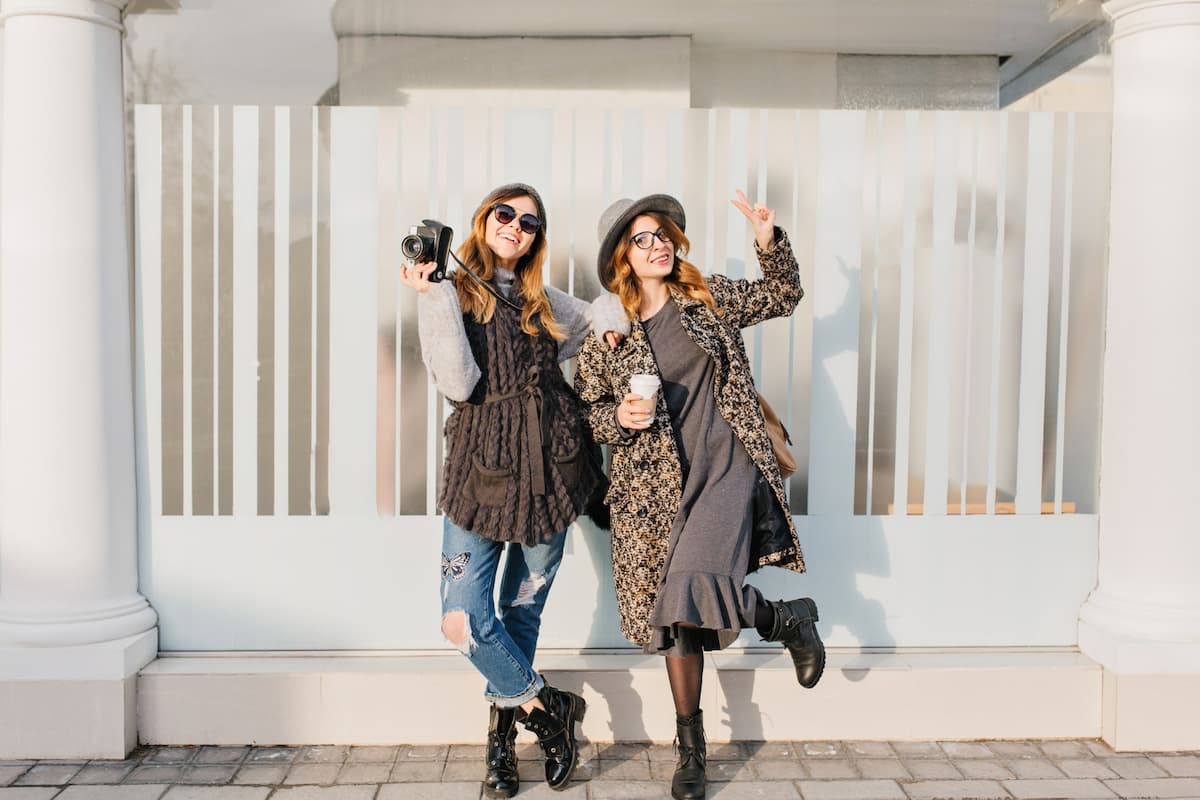
The double-denim trend has matured. It’s no longer about matching one shade head to toe. Instead, it’s about mixing washes, textures, and silhouettes, such as a raw-hem jacket with wide-leg jeans in a darker wash.
How to wear it: Contrast at least two shades of denim and break up the look with a plain top or belt.
3. Utility and Cargo Details
Cargo trousers, utility vests, and multi-pocket jackets remain strong for both casual and semi-smart looks. The trend has moved away from oversized streetwear and into tailored, flattering cuts.
How to wear it: Pair slim-fit cargo trousers with a fitted top to balance the volume.
4. Soft Power Dressing
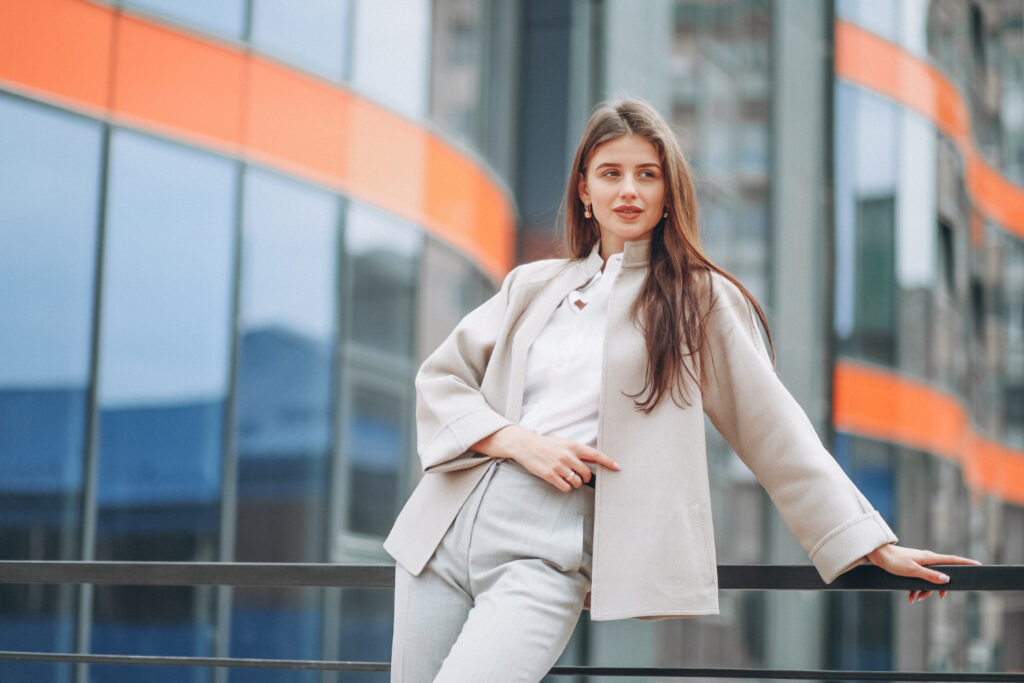
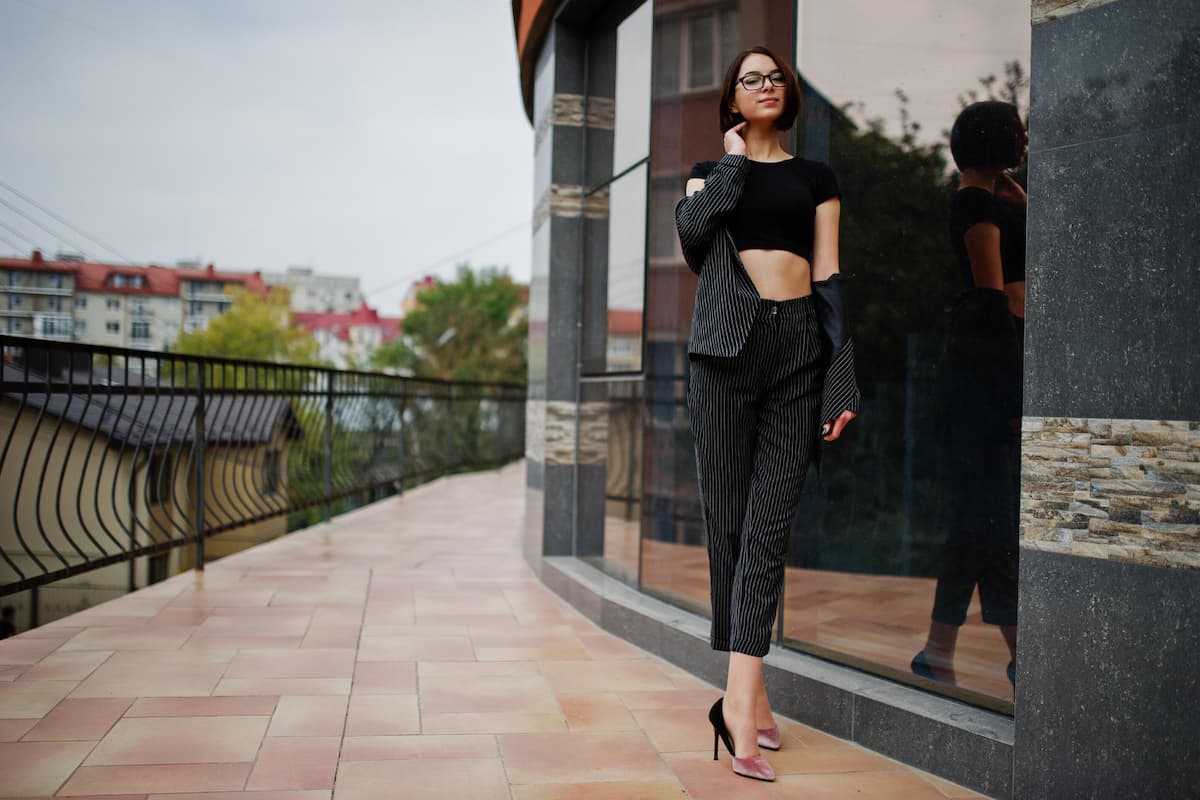
This trend blends traditional office wear with relaxed shapes, such as a blazer with soft shoulders paired with a fluid skirt rather than stiff tailoring. It reflects a wider shift towards comfort without losing polish.
How to wear it: Choose one structured piece and one relaxed piece per outfit to keep the balance.
5. Sheer Layering
Sheer fabrics, from organza to fine mesh, are being layered over tanks, bralettes, and slips rather than worn alone. This gives the trend everyday wearability without feeling exposing.
How to wear it: Layer a sheer blouse over a simple cami and keep the rest of the outfit fitted.
6. Coastal and Earth-Tone Palettes
Colour palettes inspired by coastlines and natural landscapes, such as sea glass green, sandy beige, and driftwood brown, have replaced some of the brighter tones seen in past seasons.
How to wear it: Stick to two or three tones from the same palette family to keep outfits cohesive.
7. Statement Denim Jackets
Oversized and embellished denim jackets, including embroidered, painted, or patchwork styles, are being used as the focal point of an outfit rather than a basic layer.
How to wear it: Keep the rest of the outfit simple so the jacket stands out.
8. Ballet and Balletcore Influences
Soft pink tones, wrap tops, and flat ballet shoes continue to influence everyday fashion, extending well beyond activewear into daily dressing.
How to wear it: Introduce one balletcore piece, such as wrap-style tops or ribbon detailing, rather than styling the full aesthetic head to toe.
9. Elevated Athleisure
Athleisure has shifted towards structured fabrics and tailored cuts, including matching knit sets and technical fabrics styled with dressier shoes and accessories.
How to wear it: Swap trainers for loafers or heeled sandals to move an athleisure set from casual to smart-casual.
10. Sustainable and Slow Fashion Choices
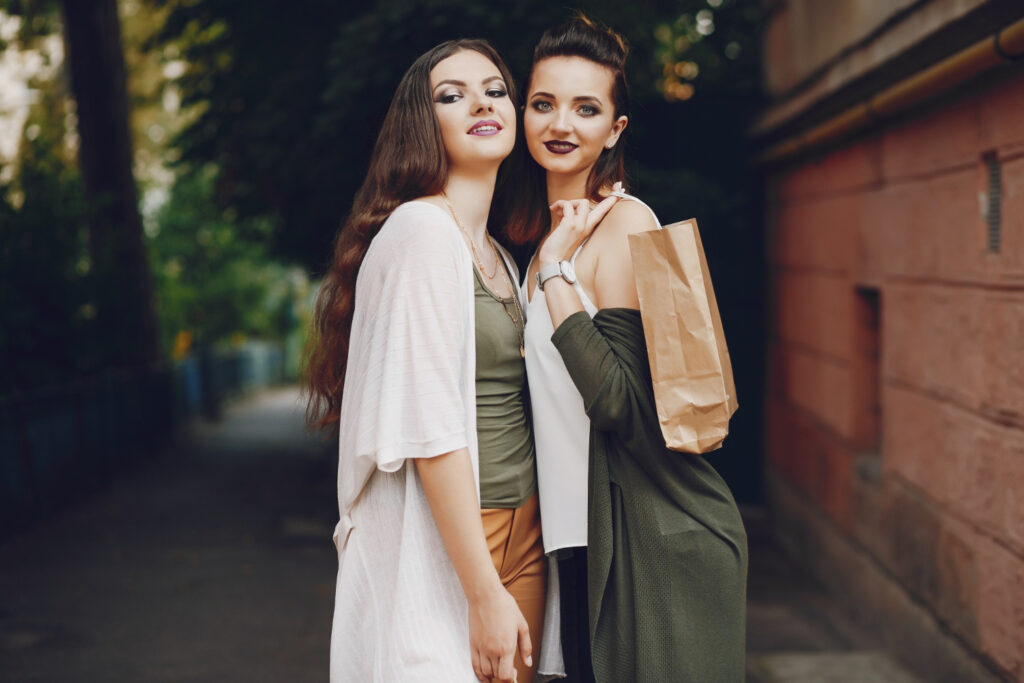
Consumers are increasingly favouring durable fabrics, timeless cuts, and transparent sourcing over fast, disposable pieces. This shift is influencing both personal shopping habits and wholesale buying decisions.
How to wear it: Prioritise pieces that work across multiple seasons rather than one-off trend items.
Wholesale tip: Buyers sourcing wholesale fashion trends should ask suppliers about fabric composition and production practices, since shoppers are increasingly checking labels before buying.
Fashion Trends Summary
- Quiet luxury basics: tailored, neutral, investment-led
- Denim on denim: mixed washes, not matching sets
- Utility and cargo: tailored, not oversized
- Soft power dressing: structure plus ease
- Sheer layering: worn over base layers, not alone
- Coastal and earth tones: calm, cohesive palettes
- Statement denim jackets: bold outerwear as the focal point
- Balletcore influences: soft, feminine details
- Elevated athleisure: technical fabrics styled up
- Sustainable choices: durability over disposability
How to Buy Wholesale Fashion Trends Without Overstocking
Retailers and boutique owners face a different challenge to individual shoppers. Buying wholesale fashion trends means balancing what’s popular now with what will still sell in three to six months.
A few practical rules that experienced buyers follow:
- Buy core colours in higher volume and use trend colours or prints for smaller test runs.
- Order in a range of sizes, not just the sizes that sold fastest last season, since fit issues are one of the biggest causes of returns.
- Ask suppliers for fabric specifications, not just photos, since fabric weight and stretch affect both fit and how a trend actually wears.
- Track sell-through data weekly during the first month of a new trend, rather than waiting for a full season to assess performance.
- Reorder cautiously, since a trend that sells fast in week one doesn’t always sustain demand through an entire season.
Final Thoughts
Fashion trends work best when they’re adapted to real life rather than followed exactly as shown on the runway. Whether you’re refreshing your personal wardrobe or sourcing wholesale Fashion Brands Sell Online for your store, the trends above offer a practical starting point that balances what’s current with what actually lasts.
Start small. Pick one or two trends from this list, work them into pieces you already own, and build from there.
Frequently Asked Questions
1.What are the biggest fashion trends right now?
The strongest fashion trends currently include quiet luxury basics, mixed-wash denim, utility-inspired tailoring, sheer layering, and elevated athleisure. These trends have stayed consistent across multiple fashion weeks and retail seasons, which is what separates them from short-lived fads.
2.How do I know if a trend will last or fade quickly?
A trend is more likely to last if it appears across several seasons, multiple designers, and different price points, from luxury runways to high street retailers. Trends tied to a single viral moment tend to fade faster than those rooted in practical, wearable design changes.
3.What does wholesale fashion trends mean for retailers?
Wholesale fashion trends refers to the styles, colours, and silhouettes that retailers and boutique owners buy in bulk from suppliers to stock their stores. Buying wholesale trends successfully means balancing timeless, reliable stock with smaller quantities of trend-led pieces to limit financial risk.
4.How can I keep my everyday style updated without buying a new wardrobe each season?
Focus on adding one or two trend pieces at a time, such as a statement jacket or a new colour palette, and build them into outfits you already wear. This keeps your wardrobe current without full seasonal overhauls.
5.Where can I find reliable fashion trend forecasts?
Trend forecasting platforms such as WGSN and Pantone’s Colour Institute, along with fashion week coverage and retail sell-through data, are commonly used by industry professionals to track and validate emerging trends before they reach the mainstream.