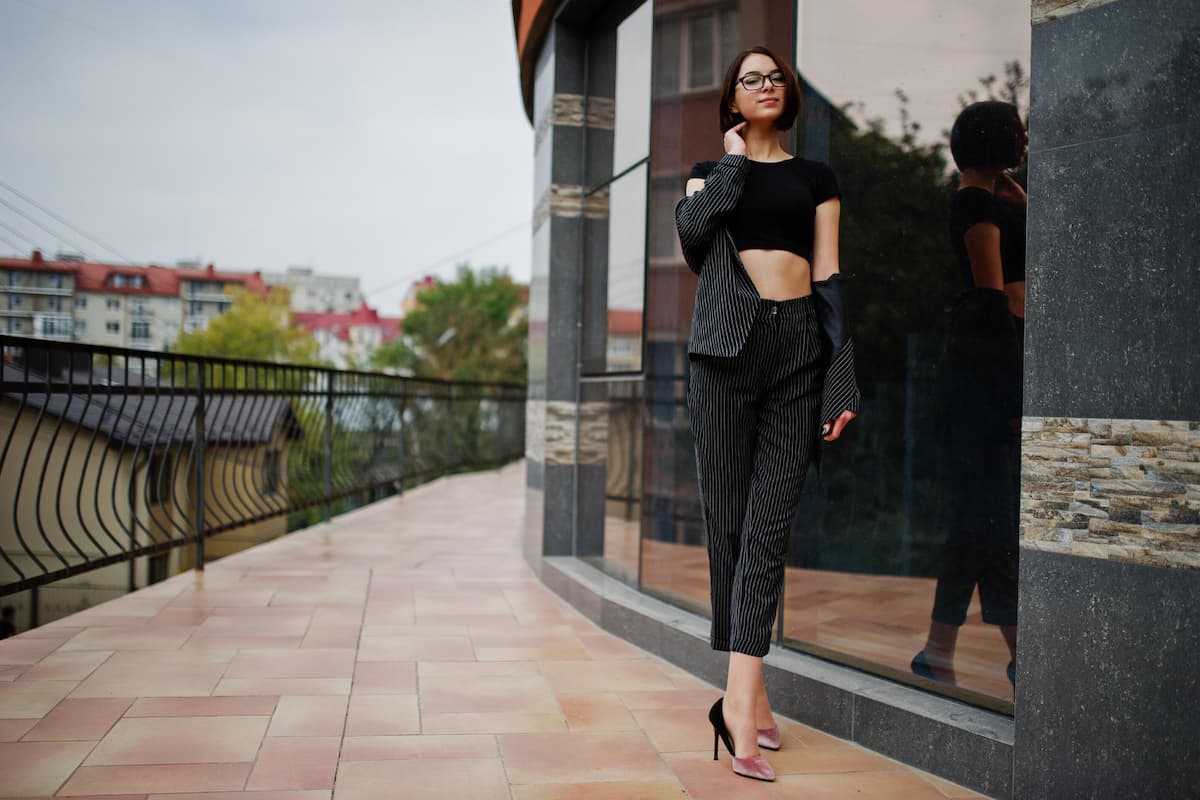


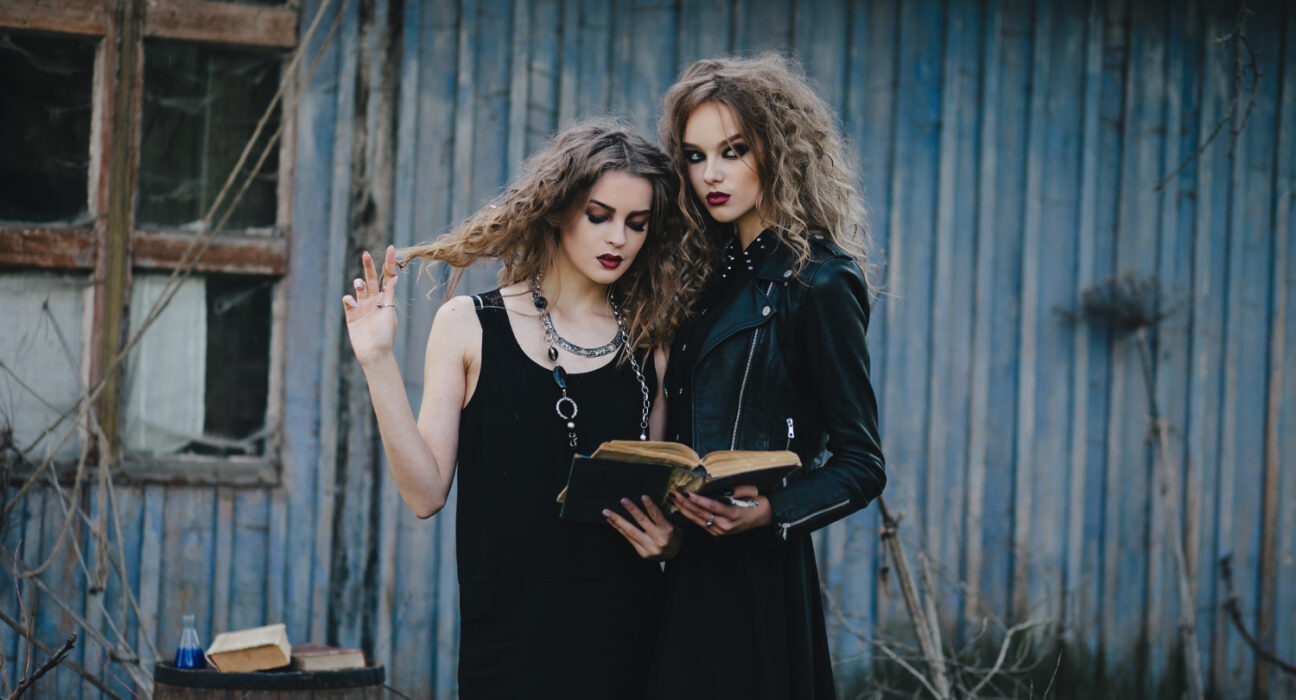
What is gothic fashion? Gothic fashion is an alternative style of dress built around dark colours, dramatic silhouettes, distinctive textures and influences from goth music, punk, Victorian mourning, romanticism, horror and other forms of dark culture. Although black is strongly associated with the style, gothic fashion and Best Ouji Fashion Styles is about much more than wearing black. It is a form of visual self-expression that can range from subtle everyday outfits to highly dramatic looks.
Today, gothic fashion is no longer limited to underground music scenes. Gothic-inspired details appear in high fashion, street style, bridalwear and social media, helping the aesthetic reach a much wider audience.
What Is Gothic Fashion?
Gothic fashion is a broad fashion aesthetic associated with darkness, individuality, drama and alternative culture.
Common features include:
- Black and other deep colours
- Lace, velvet, leather, mesh and textured fabrics
- Corsets and structured silhouettes
- Long coats, flowing skirts and dramatic sleeves
- Platform or combat boots
- Chokers, rings, chains and statement jewellery
- Dark or contrasting makeup
- Motifs such as crosses, roses, bats, skulls and other symbolic imagery
However, there is no single uniform that every goth must follow.
A minimalist black outfit can be gothic, while another person may prefer Victorian-inspired clothing, punk elements or futuristic cyber-goth styling.
The key idea is intentionality. Gothic fashion uses clothing, texture, shape and symbolism to create a particular mood and express individuality.
Where Did Gothic Fashion Come From?
Modern gothic fashion developed primarily through the British punk and post-punk music scenes of the late 1970s and early 1980s.
Bands and artists associated with the early scene helped establish a darker visual language that eventually became closely connected with goth culture. London’s Batcave club became particularly associated with the early goth scene.
The style also borrowed from much older cultural influences.
Victorian mourning clothing, gothic literature, horror cinema, romanticism and ideas surrounding death and mystery all contributed to the visual vocabulary that designers and goth communities later developed.
The Museum at FIT’s Gothic: Dark Glamour exhibition demonstrated how these influences extend from 18th-century gothic literature and Victorian mourning to contemporary street style and high fashion.
Gothic Fashion Is More Than Wearing Black
Black is probably the most recognisable part of gothic fashion, but colour alone does not define the aesthetic.
A completely black outfit can simply be ordinary minimalist clothing.
What often creates a gothic appearance is the combination of:
Colour + silhouette + texture + accessories + styling
For example, a black shirt with ordinary blue jeans may look casual. The same dark shirt combined with tailored black trousers, silver jewellery, textured fabrics and statement boots can create a distinctly gothic appearance.
This is why gothic fashion is better understood as a visual language rather than a fixed dress code.
The Main Types of Gothic Fashion
Gothic fashion has developed into many different directions. Some overlap, and people often combine elements from several styles.
Traditional Goth
Traditional or old-school goth draws heavily from the original post-punk scene.
Typical elements include black clothing, leather, fishnets, dramatic hair, dark makeup, band influences and silver jewellery.
Romantic Goth
Romantic goth focuses on elegance, emotion and dramatic historical influences.
Velvet, lace, flowing fabrics, corsetry, long skirts and dark floral details are common.
Victorian Goth
Victorian-inspired gothic fashion borrows elements such as high collars, tailored coats, elaborate sleeves, lace and long silhouettes.
It is usually a modern interpretation rather than an exact recreation of historical Victorian dress.
Cyber Goth
Cyber goth introduces futuristic and industrial influences.
Bright accents, synthetic materials, futuristic accessories and platform footwear can be combined with traditional dark styling.
Nu Goth and Modern Goth
Modern or nu-goth approaches often simplify traditional gothic elements.
Oversized black clothing, streetwear, geometric silhouettes, graphic designs and understated accessories can create a contemporary look without the theatrical appearance of older gothic styles.
Fashion exhibitions have also recognised multiple gothic directions, including old-school goth, Victorian styles, industrial, cyber-goth and Japanese Elegant Gothic Lolita.
Why Is Gothic Fashion So Popular Today?
Gothic fashion remains popular because it offers something that many mainstream trends cannot: a strong sense of individuality.
There are several reasons for its continued appeal.
1. It Encourages Self-Expression
Gothic fashion allows people to communicate personality through clothing.
Instead of following one seasonal trend, someone can build a look around their preferred music, art, literature, mood or cultural influences.
2. It Has a Strong Visual Identity
Black clothing, dramatic silhouettes, metallic jewellery and textured fabrics are immediately recognisable.
That makes gothic fashion particularly effective in photography, video and social media content.
3. It Can Be Adapted to Everyday Life
Modern gothic fashion does not have to mean wearing a full Victorian dress or heavy makeup every day.
A person can create a subtle gothic wardrobe using:
- Black trousers
- A fitted blazer
- Dark boots
- Silver jewellery
- A black knit or shirt
- One statement accessory
This makes the aesthetic easier to incorporate into work, university and everyday life.
4. Mainstream Fashion Keeps Revisiting Gothic Influences
Gothic ideas have repeatedly moved between alternative culture and mainstream fashion.
Designers including Alexander McQueen, Rick Owens, Yohji Yamamoto and others have explored gothic visual themes, demonstrating that the aesthetic exists well beyond subculture clothing.
The trend is still visible in 2026. British Vogue recently highlighted the rise of gothic-inspired bridal fashion, while current fashion coverage continues to feature dark romance, lace, corsetry and dramatic silhouettes.
Gothic Fashion vs Wearing Black: What Is the Difference?
Wearing black does not automatically make an outfit gothic.
Gothic fashion usually combines several visual characteristics rather than relying on one colour.
| Wearing Black | Gothic Fashion |
| Can be purely practical | Usually expresses a deliberate aesthetic |
| Any silhouette | Often uses distinctive silhouettes |
| Minimal accessories | Accessories can create visual symbolism |
| No specific cultural influence required | Often influenced by goth, punk, Victorian or romantic culture |
| Can follow mainstream trends | Often emphasises individuality |
That does not mean someone needs to follow strict rules to be considered gothic.
Personal interpretation is one of the defining strengths of the style.
Gothic Fashion vs Costume
Another important distinction is fashion versus costume.
A gothic outfit is normally designed to be worn as clothing and incorporated into someone’s personal style.
A costume is usually created to represent a particular character, historical period or fictional world.
For example, a black velvet dress with boots and silver jewellery can be everyday gothic fashion. Adding highly theatrical props and character-specific details could turn the same concept into a costume.
The difference is largely about context, intention and styling, rather than one particular item.
How to Start Wearing Gothic Fashion
You do not need to replace your entire wardrobe.
A simple approach is to start with a dark foundation and add one or two distinctive elements.
Begin with:
- A black or deep-coloured base outfit.
- One strong texture, such as lace, velvet or leather.
- A pair of boots that suits your lifestyle.
- Silver or dark-metal jewellery.
- One statement piece, such as a long coat, corset-inspired top or dramatic accessory.
Then experiment.
You might discover that romantic goth suits you more than traditional goth, or that a subtle modern style works better for your everyday routine.
Is Gothic Fashion Still Relevant in 2026?
Yes. Gothic fashion continues to influence both alternative communities and mainstream fashion.
Recent fashion coverage shows renewed interest in dark romantic clothing, black lace, corsetry, dramatic silhouettes and gothic-inspired bridalwear.
At the same time, modern gothic fashion is becoming more flexible.
People are mixing traditional goth elements with streetwear, minimalist tailoring, vintage clothing and contemporary accessories. This evolution allows the aesthetic to remain recognisable without becoming frozen in its 1980s origins.
That adaptability may be one of the biggest reasons gothic fashion has lasted for decades.
Is Gothic Fashion Sustainable?
Gothic fashion can work particularly well with a slower approach to clothing.
Because many of its core pieces are relatively timeless, people can build a wardrobe around durable basics instead of constantly replacing outfits.
Consider:
- Buying fewer but better-made pieces
- Shopping vintage or second-hand
- Reusing the same boots and outerwear across outfits
- Choosing versatile fabrics and silhouettes
- Repairing garments rather than replacing them
This approach also helps create a more personal wardrobe because the style develops gradually rather than being purchased as one complete outfit.
How to Start Your First Ouji Outfit
What Makes a Good Gothic Outfit?
A strong gothic outfit does not necessarily need lots of accessories.
In many cases, contrast creates more impact than quantity.
Try combining:
- Soft lace with structured clothing
- Velvet with metal jewellery
- Flowing fabric with heavy boots
- Minimal black clothing with one dramatic accessory
- Historical details with modern tailoring
The goal is to create an intentional visual balance rather than simply adding as many gothic symbols as possible.
Conclusion
So, what is gothic fashion? It is far more than black clothing. Gothic fashion is a flexible form of self-expression shaped by music, punk, Victorian history, romanticism, horror, art and alternative culture.
Its ability to evolve is a major reason it remains relevant today.
From traditional goth and Victorian-inspired clothing to modern streetwear and gothic bridal fashion, the style continues to change while keeping its central focus on individuality, atmosphere and visual storytelling.
You do not need to follow a strict rulebook to wear gothic fashion. The strongest gothic look is usually the one that feels authentic to the person wearing it.
Frequently Asked Questions
1.What is gothic fashion?
Gothic fashion is an alternative clothing style influenced by goth music, punk, Victorian mourning, romanticism, horror and dark aesthetics. It commonly uses black clothing, dramatic silhouettes, textured fabrics and distinctive accessories, but it is not limited to one specific look.
2.Is gothic fashion only black?
No. Black is the dominant colour, but gothic outfits can also use burgundy, deep purple, grey, white and other dark or contrasting shades. Texture, silhouette and styling are just as important as colour.
3.What are the most popular types of gothic fashion?
Popular directions include traditional goth, romantic goth, Victorian goth, cyber goth and modern or nu-goth styles. Many people combine elements from different categories rather than following one style exclusively.
4.Why is gothic fashion popular today?
Gothic fashion remains popular because it provides strong opportunities for individuality and self-expression. Its visual identity also works well across music, social media, street style and contemporary fashion. Recent 2026 fashion coverage shows continued interest in gothic-inspired designs and dark romantic aesthetics.
5.Can gothic fashion be worn casually?
Yes. Gothic fashion can be subtle and practical. Black trousers, boots, a dark shirt, a tailored jacket and simple silver jewellery can create a modern gothic-inspired outfit without requiring dramatic makeup or theatrical clothing.