

Soft focus skin makeup is the autumn 2026 answer to heavy foundation: a blurred, velvety finish that softens pores and shine without hiding real skin. This guide gives you the full routine, from prep to setting, plus skin type tweaks and the mistakes that turn soft into flat. You do not need a drawer full of new products to get it right, just thin layers, the right finishes, and blending that leaves no hard edges.
What Soft Focus Skin Makeup Is, and What It Is Not
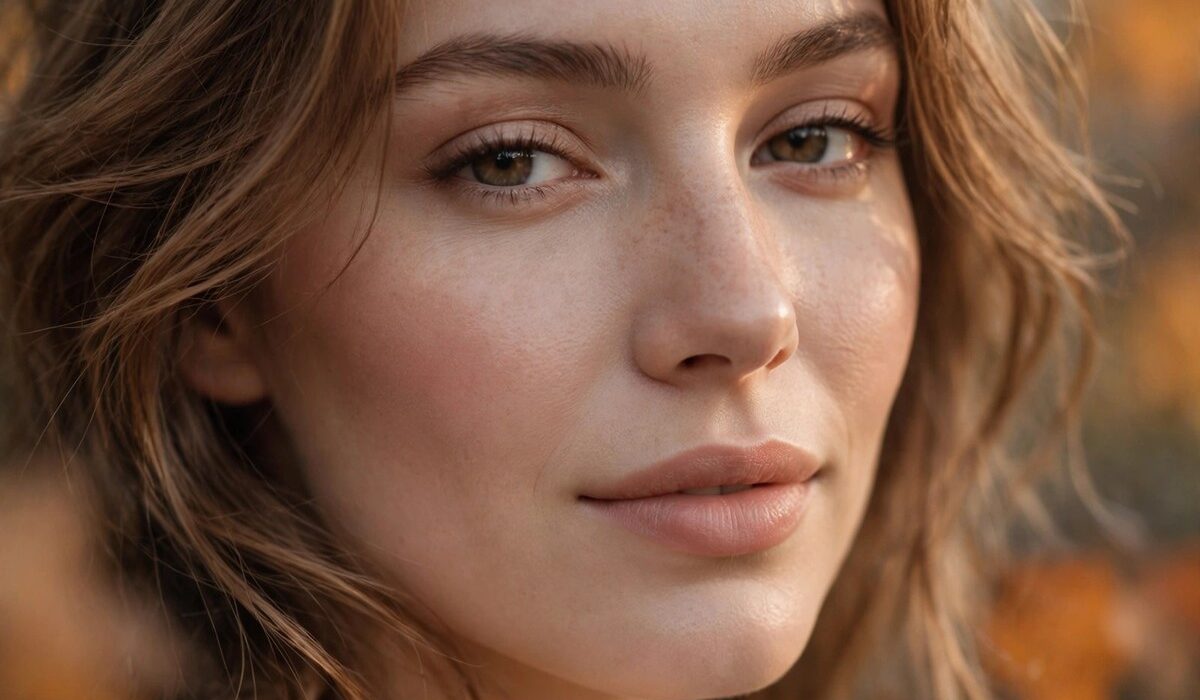
Soft focus skin is about diffusion, not coverage. Light is scattered across the surface of the skin so pores, fine lines and uneven tone look softer, while freckles and natural texture still show through. It sits between dewy and matte: less shine than glass skin, more life than old school flat matte. If your base looks perfect in a photo but dull and dry in daylight, it has gone too far. The goal is skin that looks like your skin on a very good day.
That distinction matters for autumn. Cold air, central heating and scarves all test a base in ways summer does not. A heavy matte base can crack around the nose and mouth, while a very dewy base can slide off by lunchtime. A soft focus base, built in thin layers, is more forgiving in both directions, which is why it pairs so well with the muted, velvety colours of autumn 2026.
Soft Focus Skin Makeup Compared: Product Types and Finishes
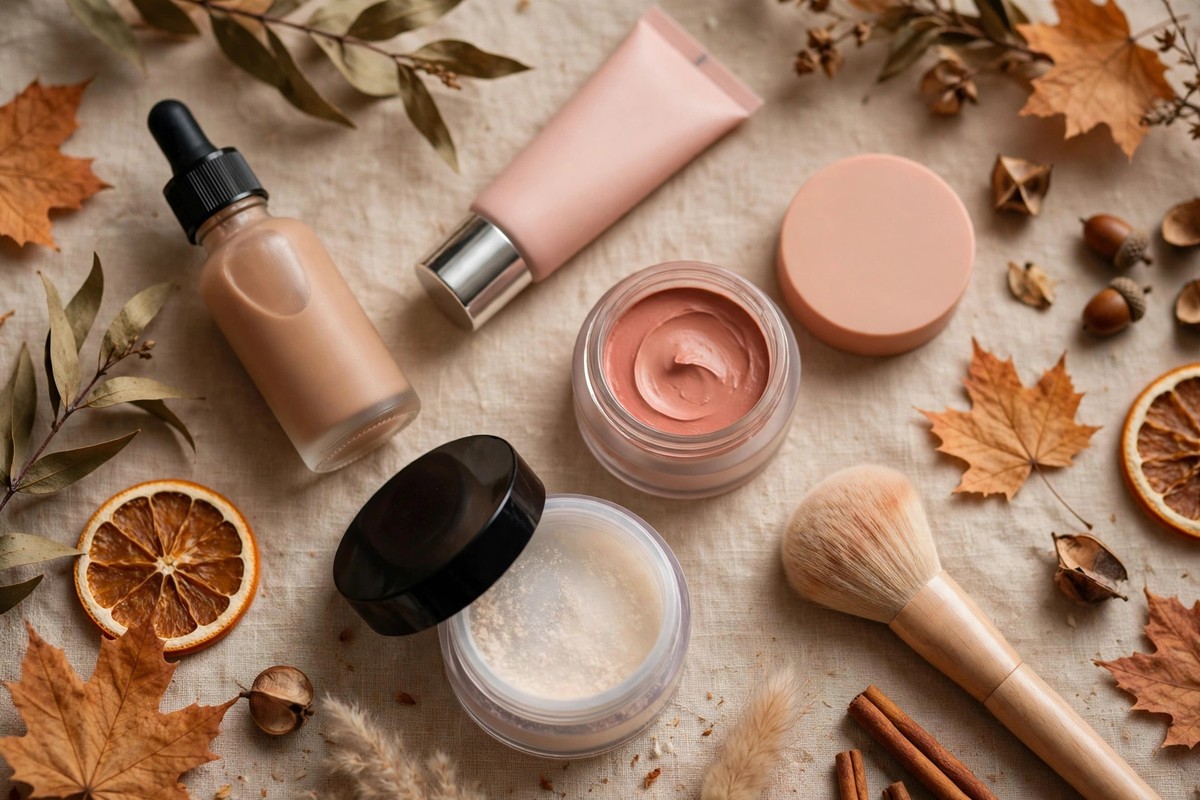
| Product type | Best for | Finish | Watch out for |
|---|---|---|---|
| Skin tint or tinted moisturiser | Everyday soft focus, dry and normal skin | Sheer, skin like, lightly blurred | May fade faster on very oily skin without powder |
| Lightweight satin foundation | Evening out redness, events, photos | Buildable, softly diffused | Thick layers undo the blur, so keep it thin |
| Blurring primer | Visible pores around nose and cheeks | Smooth, velvety base | Use only where needed, not all over a dry face |
| Finely milled translucent powder | Setting the T zone, controlling shine | Soft matte, light diffusing | Too much powder looks dusty and emphasises dry patches |
| Cream blush and bronzer | Adding warmth and shape back in | Seamless, diffused colour | Harsh lines break the soft effect, so blend well |
The Step by Step Soft Focus Routine for Autumn 2026
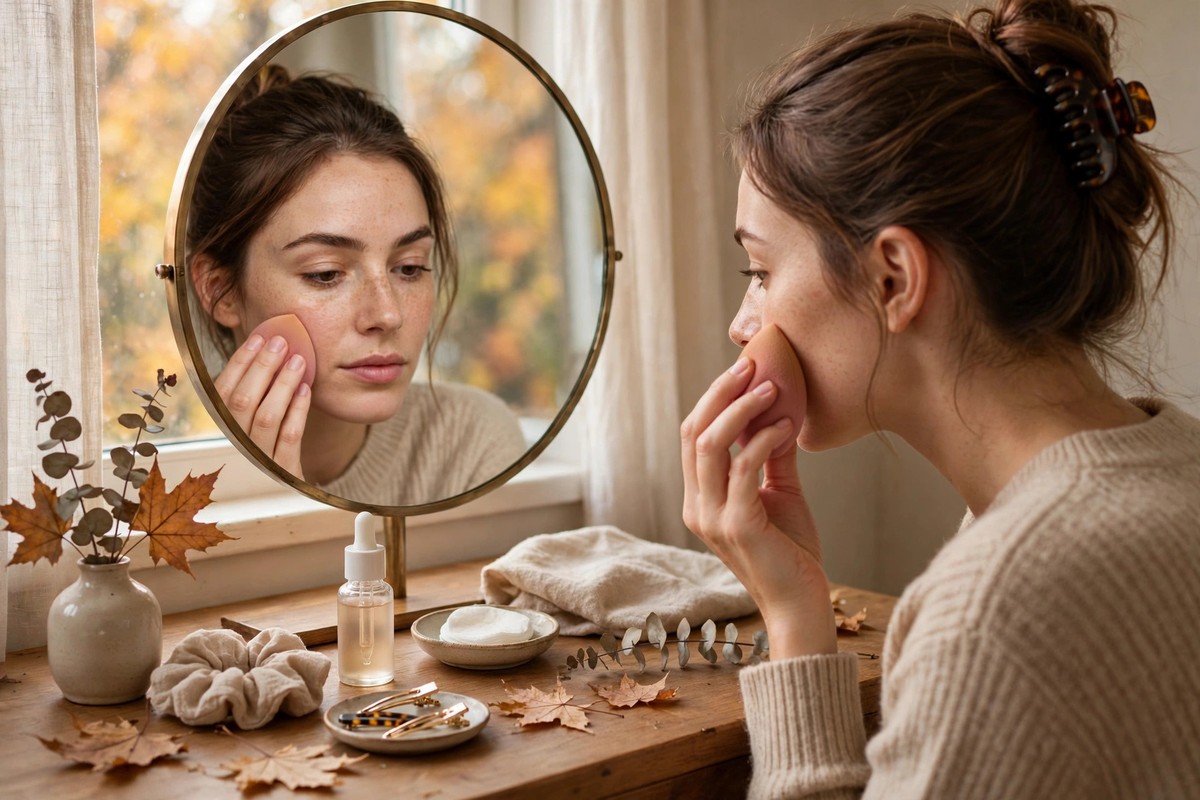
Step 1: Prep, then wait. Cleanse gently, apply a lightweight moisturiser suited to your skin type, and add sunscreen in the daytime. Let each layer settle for a few minutes before makeup. Skipping this wait is a common cause of pilling, where base products roll up over damp skincare.
Step 2: Blur only where you need it. Press a small amount of blurring primer into areas where pores show most, usually around the nose, chin and centre of the cheeks. If your skin tint already gives a smooth finish, you can skip primer entirely. More product does not mean more blur.
Step 3: Apply a thin base from the centre out. Dot skin tint or lightweight foundation in the centre of the face and blend outward with fingers, a brush or a damp sponge. Add a second thin layer only over redness or uneven patches. Leave the edges of the face, near the hairline and jaw, almost bare so there is no visible mask line.
Step 4: Conceal selectively. Tap concealer only on dark circles, blemishes or shadows that still show, then press the edges away with a fingertip or small brush. Choose a shade close to your own skin tone for spots, and one only slightly brighter under the eyes, so the area does not look grey or ashy.
Step 5: Add cream colour before powder. Tap cream blush onto the apples of the cheeks and blend upward toward the temples. Autumn shades that suit this look are muted rose, soft peach, terracotta and warm berry. If you use bronzer, keep it soft and diffused rather than sharply sculpted. Cream products melt into a soft focus base far better than heavy powder colour applied on top of powder.
Step 6: Set strategically, not everywhere. Use a small fluffy brush and a finely milled translucent powder on the forehead, nose and chin only, pressing rather than sweeping. Leave the cheeks and outer face lightly set or unset, so the skin keeps some dimension. This selective powdering is the step most guides underplay, and it is what stops the look turning flat.
Step 7: Soften eyes, brows and lips to match. Keep eyes in soft taupe, beige or muted brown, blend the edges well, and smudge liner instead of drawing a hard line. Brush brows into place and fill only sparse areas. For lips, tap a rosy, peach or soft berry tint into the centre and blur the edges outward. Sharp, glossy or heavily lined lips fight the whole soft focus effect.
Step 8: Finish with a light mist, then leave it alone. A light setting spray can melt powder into skin and remove any dusty look. Spray from the recommended distance, let it dry naturally, and resist touching your face while it sets. Touching up too early is how a fresh base turns patchy.
Soft Focus Skin by Skin Type
Dry skin: Hydration comes first. Use a richer moisturiser, choose a hydrating skin tint or satin base, and powder only the T zone, if at all. If powder catches on dry patches, skip it there and rely on blotting or a hydrating mist later in the day. Our autumn capsule wardrobe 2026 guide follows the same less but better logic for clothes, and it works for makeup too.
Oily skin: Start with a lightweight, oil controlling primer on the T zone and a long wearing skin tint or light foundation. Set the T zone properly, then blot before adding more powder during the day. Blot first, powder second, or layers build up and texture shows more, not less.
Combination skin: Treat zones differently. Hydrate dry cheeks, prime and powder the oily centre, and keep one base product across the whole face so the finish still looks unified. This zoned approach is the most useful skill in soft focus makeup, and it is missing from most one size fits all routines.
Sensitive or textured skin: Keep the routine short and the layers thinner still. Patch test any new primer or powder, avoid heavy fragrance where your skin reacts to it, and accept that pores and texture will still be visible up close. Soft focus makeup softens what the eye catches at normal distance, it does not erase skin, and that is the point.

Autumn Styling: Colours That Suit a Blurred Base
A blurred base lets autumn colour take centre stage without competing with it. Pair it with muted rose or terracotta blush, a soft brown eye, and a blurred berry or warm nude lip for daytime. For evening, deepen the lip to burgundy or warm plum and add a touch more blush, while keeping the base exactly the same. The same principle applies to clothes: a soft base works beautifully under a textured coat, as our best affordable faux fur coats guide shows, because neither the coat nor the makeup is shouting.
For deeper skin tones, choose blush and lip shades with enough depth to show: warm berry, rich plum and terracotta blur beautifully without looking ashy, provided the base shade matches your undertone. For fair skin, muted pink and soft peach keep the look fresh without looking washed out. Shade matching matters more than brand here, so test base shades on the jaw in daylight before buying. If you are building a simpler routine overall, our minimalist wardrobe guide is a useful parallel: fewer, better pieces that all work together beat a drawer full of one wear wonders.
Mistakes That Ruin Soft Focus Skin
The five mistakes below show up in almost every failed attempt. First, too much foundation: one thick layer always looks heavier than two thin ones. Second, powdering the whole face: this flattens dimension and ages the look. Third, harsh contour or sharp liner: strong lines contradict the diffused finish. Fourth, shiny highlighter over texture: glitter and heavy shimmer catch light on pores instead of blurring them, so keep any glow subtle and away from textured areas. Fifth, skipping prep: dry patches and excess skincare residue both make base sit unevenly, and no amount of blending fixes a base applied over unset skincare.
Sephora UK describes the same balance in its soft matte guide: a finish that is blurred, not flat, with shine controlled rather than erased, and formulas that move with skin rather than sitting on top of it. That summary is worth keeping in mind when shopping: look for words like blurring, soft focus, satin and skin like, and be wary of anything promising a completely poreless or airbrushed result. For budget friendly pieces to pair with the look, our affordable fashion brands guide covers where to start, and Sephora UK explains how soft matte skin balances blur with dimension.
Conclusion
Soft focus skin makeup works because it does less, in the right places: a thin base, selective concealing, cream colour blended soft, and powder only where shine needs controlling. Get those four decisions right and the rest of the routine falls into place, whatever your skin type. Keep layers thin, blend every edge, and let real skin show through, and your autumn base will look polished in daylight, in photos, and at the end of a long day.
Frequently Asked Questions
What is soft focus skin makeup and how is it different from matte makeup?
Soft focus skin makeup diffuses light so pores and uneven tone look softer, while still letting natural texture show. Old school matte makeup often flattened all shine and texture, which could look dry and heavy. Soft focus keeps some dimension: shine is controlled in the T zone, but cheeks and outer areas stay fresh and skin like.
Do I need foundation to get a soft focus finish?
No. A skin tint, tinted moisturiser or even concealer alone can give a soft focus finish if your skin is fairly even. Foundation helps where you want more evening out, but the blur comes from thin layers, selective powder and good blending, not from the amount of coverage.
How do I stop soft focus makeup looking cakey by afternoon?
Start thinner than you think you need, set only the T zone, and blot before reapplying powder. Cakey afternoon makeup usually comes from too much product in the morning plus extra powder layered over oil later. A light setting spray in the morning and blotting paper in your bag prevent most of it.
Which powder is best for a soft focus finish?
A finely milled translucent powder, applied sparingly with a small fluffy brush and pressed into the T zone, works best for most skin types. Avoid heavy tinted powders for setting, since they add coverage and colour where you only need blur, and they are more likely to look dusty by the end of the day.
Can soft focus skin makeup work for mature skin?
Yes, and it often suits mature skin better than heavy matte or very dewy finishes. Thin, hydrating bases settle less into fine lines, cream blush looks softer than powder, and selective powder avoids emphasising dry areas. Keep layers light, moisturise well first, and skip heavy powder around the eyes.