

Interior design trends are changing more than the way homes look. They are changing how rooms feel, function and adapt to everyday life.
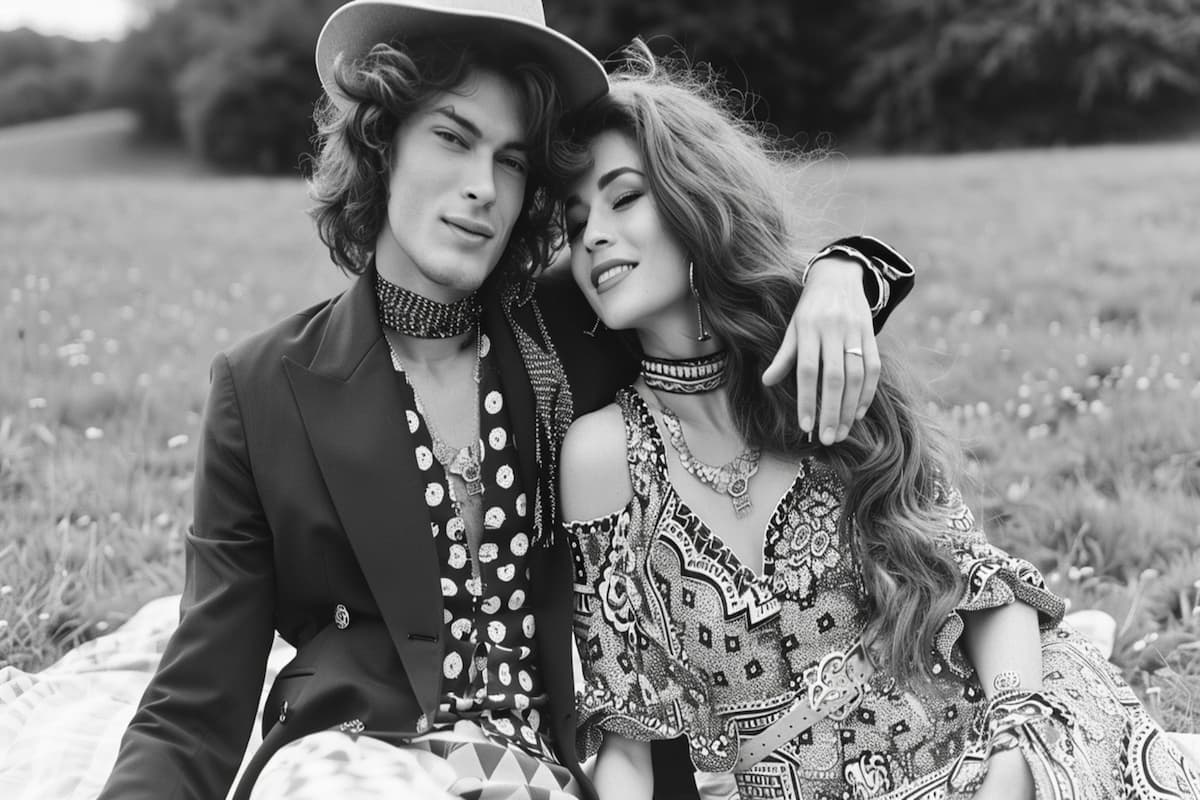
Today, homeowners are moving away from cold, overly coordinated interiors towards warmer colours, natural materials, flexible layouts and pieces with personality. Comfort and practicality now matter just as much as 40s Fashion Trends appearance.
What Interior Design Trends Are Shaping Homes Today?
The biggest shift in home decor is from perfection to personality.
Rather than designing rooms purely to look impressive in photographs, people are creating homes that feel comfortable, useful and personal.
The main changes include:
- warmer, earthier colour schemes
- natural and tactile materials
- curved furniture and softer shapes
- flexible, better-defined living spaces
- vintage and handcrafted pieces
- wellbeing-focused design
- more sustainable, longer-lasting choices
The result is a home that feels collected rather than copied.
1. Warmth Is Replacing Cold Minimalism
Minimalism has not disappeared, but it has become softer.
Bright white rooms, cool grey schemes and highly polished surfaces are increasingly being replaced by mushroom, clay, chocolate brown, olive, terracotta, muted blue and warm neutral tones.
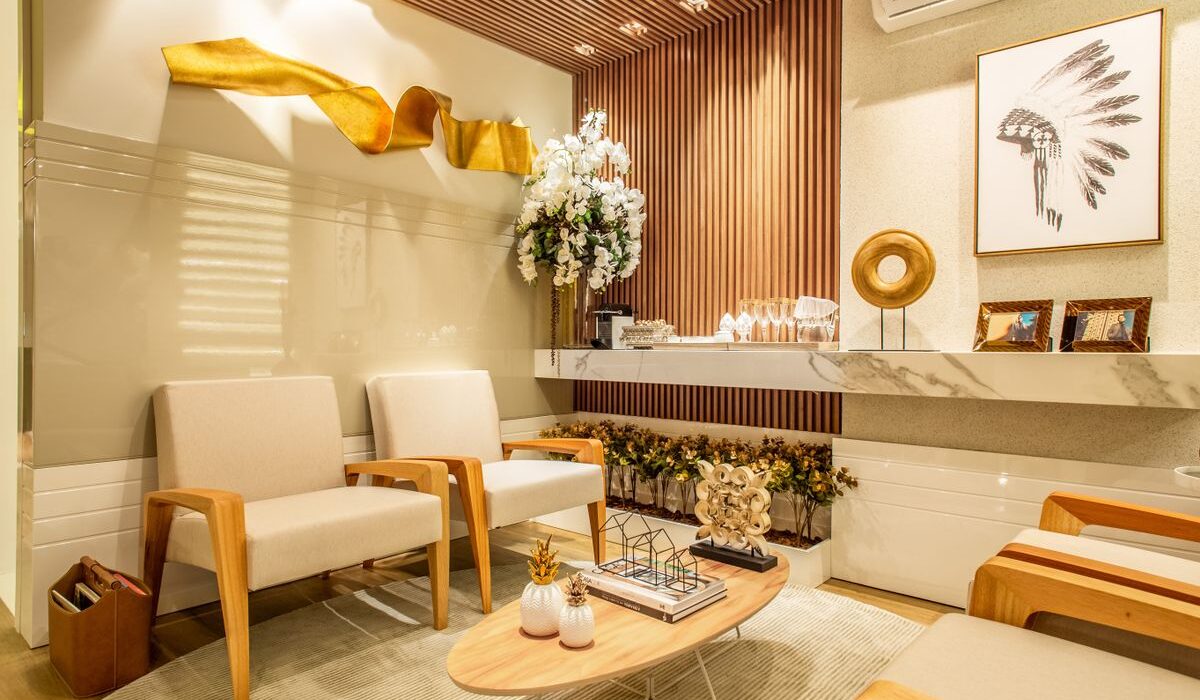
Natural timber also plays an important role. Walnut, smoked oak and other darker woods add depth without making a room feel overly formal.
This does not mean every wall needs a strong colour.
A simple way to adopt the trend is to keep a neutral base and introduce warmth through a rug, wooden furniture, cushions, artwork or one carefully chosen paint colour.
Expert tip: Before choosing a fashionable colour, check how it looks in morning, afternoon and artificial light. Colour can change dramatically throughout the day.
2. Texture Is Becoming as Important as Colour
One of the strongest interior design trends is the growing use of tactile materials.
Linen, wool, timber, natural stone, limewash, textured plaster and handmade ceramics can create visual depth without adding excessive decoration.
This works particularly well in neutral rooms.
Instead of filling a beige living room with more colours, for example, you could combine a wool rug, linen curtains, timber furniture and a textured wall finish.
The room remains calm but no longer feels flat.
The key is contrast.
Combine smooth with rough, soft with solid and new materials with pieces that show a little age.
3. Curves Are Softening Modern Homes
Curved furniture remains popular because it does more than create a fashionable silhouette.
Rounded sofas, oval tables, curved mirrors and arched details help soften the straight lines created by doors, windows, cabinets and walls.
This can be particularly effective in modern properties and open-plan spaces.
You do not need an expensive curved sofa to achieve the effect.
Try introducing one rounded coffee table, mirror, armchair or rug. One softer shape can be enough to change the balance of the room.
4. Homes Are Being Designed Around Real Life
Perhaps the most important change is functional rather than decorative.
Open-plan living is becoming more considered. Instead of one large room trying to perform every function, homeowners are creating zones for working, reading, eating, relaxing and entertaining.
That may involve:
- a reading corner beside a window
- discreet home-office storage
- movable kitchen islands
- built-in alcove storage
- sliding or glazed partitions
- furniture used to define different zones
This approach is sometimes called broken-plan living.
It keeps the feeling of openness while giving individual areas a clearer purpose.
For smaller properties, this can be especially valuable because good interior design is increasingly about making every square metre work harder.
5. Personal Interiors Are Replacing Perfect Interiors
Matching furniture collections and showroom-style rooms are losing some of their appeal.
Instead, people are mixing vintage furniture, modern pieces, family objects, artwork and handmade accessories.
The aim is not to create deliberate clutter. It is to make the room feel as though it developed naturally over time.
This is also why antiques and second-hand furniture fit so well with current home decor trends.
They bring variation, history and individuality into spaces that can otherwise feel too predictable.
A vintage side table beside a contemporary sofa will often create more character than buying both pieces from the same range.
6. Wellbeing Is Becoming Part of Interior Design
A beautiful room that is uncomfortable to use is not successful design.
Modern interiors increasingly consider natural light, artificial lighting, acoustics, privacy, ventilation, storage and how different spaces affect mood.
Biophilic design is part of this movement. It connects interiors with nature through daylight, plants, natural textures, organic forms and views of outdoor spaces.
Layered lighting is equally important.
Rather than relying on one bright ceiling light, combine ambient lighting with table lamps, floor lamps and task lighting. This allows a room to change according to the time of day and how it is being used.
Acoustic comfort matters too, particularly in open-plan homes. Curtains, upholstered furniture, rugs, bookshelves and other soft surfaces can help reduce unwanted echo.
7. Sustainable Design Is Moving Towards Longevity
Sustainable interior design used to focus heavily on whether a product was labelled environmentally friendly.
Today, a more practical question is becoming important:
How long will this item last?
Furniture that can be repaired, natural materials that age well, reusable pieces and quality second-hand furniture can all reduce the need for constant replacement.
This also changes how trends should be used.
Large investments such as flooring, kitchens and major furniture pieces are usually better kept relatively timeless. More experimental trends can then be introduced through paint, lighting, artwork, cushions and accessories.
That makes your home easier and less expensive to update.
Which Interior Design Trends Are Likely to Last?
The safest long-term trends are usually the ones connected with how people live rather than a specific fashionable shape or colour.
Natural materials, comfortable furniture, practical storage, adaptable layouts, good lighting and personal objects have value beyond a particular year.
Individual colours and decorative details will continue to change.
The principle behind today’s trends, however, is likely to remain relevant: homes should work for the people living in them.
How to Follow Trends Without Making Your Home Look Dated
Start with your lifestyle, not social media.
Ask what is currently missing from the room. Perhaps it needs more warmth, better lighting, additional storage or a clearer purpose.
Then use trends to solve that problem.
For example, if your living room feels cold, introducing warm timber and textured fabrics may be more effective than copying an entire fashionable colour scheme.
If your open-plan kitchen feels chaotic, zoning and concealed storage could have a bigger impact than replacing the cabinets.
Good interior design should improve daily life first and follow fashion second.
Conclusion
The latest interior design trends show a clear move towards warmer, more comfortable and more individual homes.
Natural materials, richer colours, tactile finishes, curved forms, flexible spaces and vintage pieces are all part of this change. However, the most important development is the growing focus on function, wellbeing and longevity.
Rather than chasing every new idea, choose the trends that genuinely improve your space.
The best home decor does not simply look current. It feels right for the people who live there.
Frequently Asked Questions
What are the biggest interior design trends right now?
Current interior design trends include warm earthy colours, natural materials, curved furniture, tactile finishes, vintage pieces, flexible room layouts, biophilic design and more personalised interiors.
Is grey interior design out of style?
Cool, all-grey interiors are becoming less dominant. Warmer greys and greige can still work well, particularly when combined with natural wood, stone, warm lighting and richer accent colours.
What colours are popular in interior design today?
Chocolate brown, olive green, terracotta, mushroom, clay, muted blue, warm beige and other nature-inspired shades are increasingly popular. The emphasis is generally moving from cold tones towards warmer, more grounded colours.
How can I follow interior design trends on a small budget?
Focus on changes that are easy to reverse. Paint, cushions, rugs, lamps, artwork, second-hand furniture and accessories can introduce current trends without requiring a full renovation.
Which interior design trends are timeless?
Natural wood, quality materials, comfortable furniture, practical layouts, good lighting and well-made vintage or handcrafted pieces tend to remain relevant longer than highly specific decorative fashions.