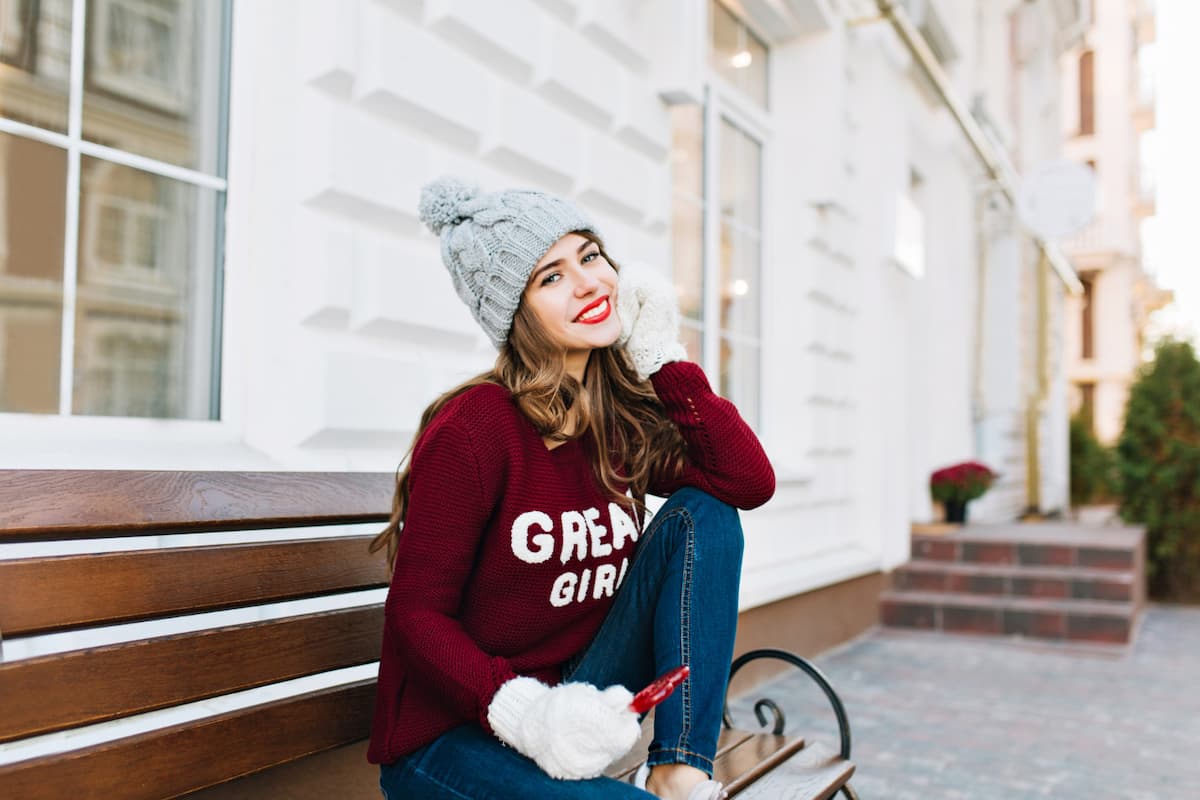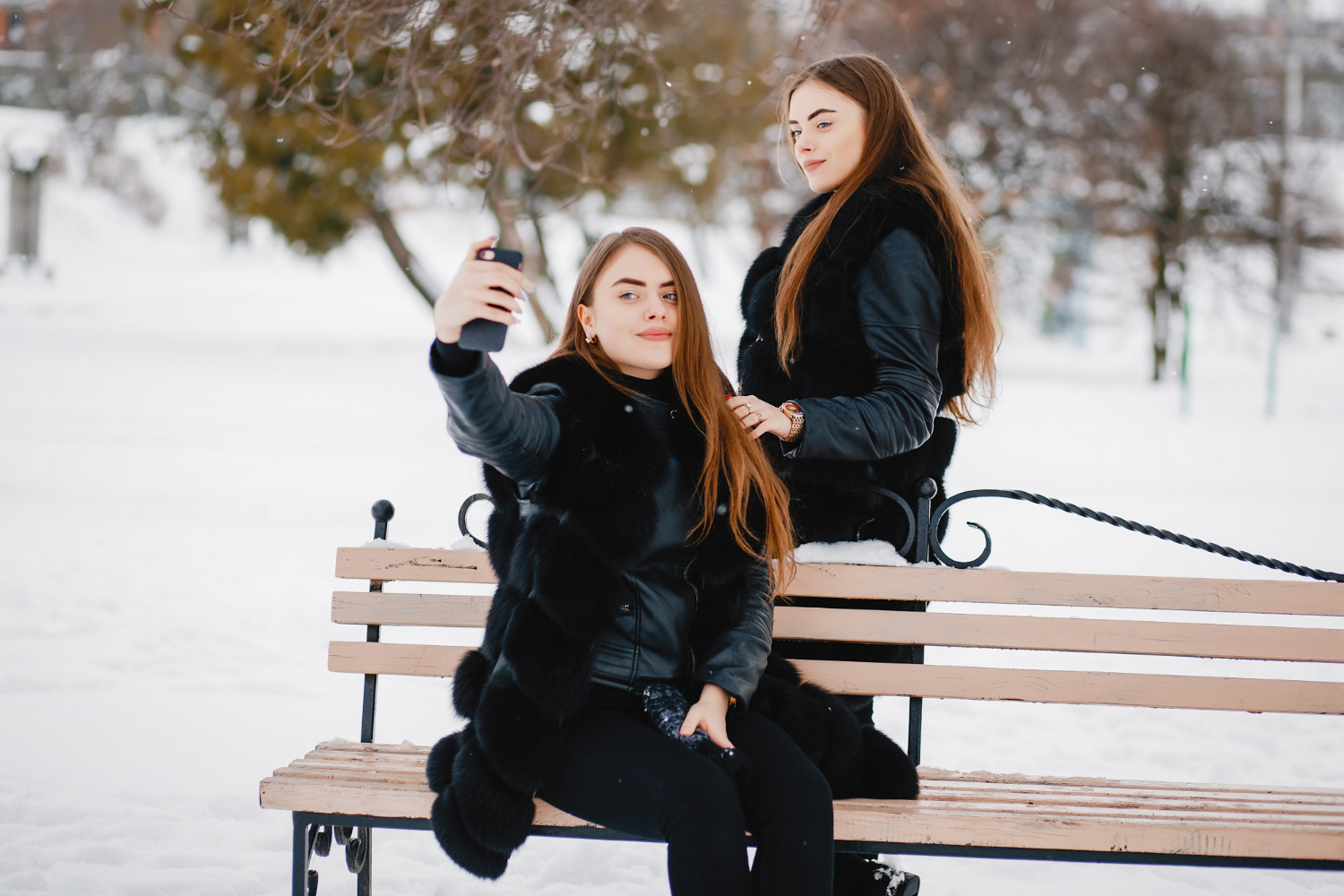



Finding the best winter outfits is about more than piling on jumpers and hoping for the best. The right winter outfits keep you warm, look put together and work for whatever your day throws at you, from the school run to a client meeting to drinks after dark.
This guide breaks down exactly how to build winter outfits that balance warmth, comfort and style. You will find fabric advice, layering rules, occasion-based outfit ideas and a few mistakes worth avoiding, Winter Fashion Outfit Ideas all based on what actually works through a long, unpredictable cold season.
What Makes a Winter Outfit Both Warm and Stylish?
A winter outfit works when it does three jobs at once: traps heat, allows movement and still looks intentional rather than thrown together.
The most reliable formula is layering with purpose. A close-fitting base layer manages warmth and moisture, a mid layer adds insulation, and an outer layer blocks wind and rain. Once that structure is in place, style comes down to colour, texture and fit rather than sheer volume of clothing.
Bulk is the enemy of a stylish winter outfit. Two well-chosen layers in the right fabrics will keep you warmer and look sharper than four random ones piled on top of each other.
The Three-Layer Rule for Winter Outfits
Stylists and outdoor experts both rely on the same basic structure when building winter outfits. It is simple enough to apply every morning without overthinking it.
- Base layer: A fitted top (and leggings on colder days) that sits against the skin. This layer manages sweat and body heat, so natural fibres like merino wool or moisture-wicking synthetics work best.
- Mid layer: A jumper, fleece or knitted cardigan that traps warm air close to the body. This is where most of your insulation comes from.
- Outer layer: A coat or jacket that shields you from wind, rain and drops in temperature. This layer should be roomy enough to fit comfortably over the other two without restricting movement.
On milder winter days, you can often drop the base layer entirely. On genuinely cold or wet days, two mid layers, such as a fine knit under a chunkier jumper, work better than one thick piece.
Best Fabrics for Winter Outfits, Explained Simply
Not all warm-looking fabrics actually perform well in cold weather. Here is a quick comparison to help you choose with confidence.
| Fabric | Best For | Why It Works |
| Merino wool | Base and mid layers | Insulates even when damp, regulates temperature, resists odour |
| Cashmere | Mid layers, jumpers | Lightweight warmth without bulk, soft against skin |
| Down | Outer layers, coats | Excellent warmth-to-weight ratio, best in dry cold |
| Synthetic insulation | Outer layers, activewear | Keeps insulating when wet, more budget-friendly than down |
| Tweed and boucle | Coats, skirts, blazers | Durable, structured, adds visual texture to an outfit |
| Corduroy and flannel | Trousers, shirts | Warm, casual, works well layered under knitwear |
A quick expert tip: check the fabric label before the price tag. A wool-blend coat at a mid-range price will usually outperform a cheaper coat made entirely from synthetic fibres, both in warmth and in how long it lasts.
Winter Outfit Ideas for Every Occasion
The best winter outfits change depending on where you are heading. Here is how to adapt the layering formula for different parts of your week.
Work and Office Winter Outfits
Tailored trousers or a midi skirt paired with a fine-knit jumper works well under a structured wool coat. Add ankle boots and a leather glove for a polished finish. If your office runs warm, choose thinner base layers you can remove indoors without ruining the outfit.
Casual and Weekend Winter Outfits
Jeans, a chunky knit and a padded or wool-blend jacket cover most weekend plans. Trainers keep things relaxed, while a beanie and scarf add warmth without effort. This is where texture mixing works best, try a smooth denim with a textured cable knit.
Evening and Party Winter Outfits
A slip dress or tailored trousers layered under a wool coat or faux fur jacket makes a strong evening look. Swap the daytime scarf for statement jewellery, and choose heeled boots that can handle pavement without sacrificing style.
Travel Winter Outfits
Prioritise layers you can remove easily. A base layer top, a lightweight puffer that packs down small, and comfortable trousers work well through airports and long journeys. Slip-on boots save time at security without compromising warmth.
Winter Outfits for Men
Men’s winter styling follows the same three-layer logic. A merino base layer under a knitted jumper and a wool overcoat covers most formal and semi-formal situations. For casual days, swap the overcoat for a quilted or wool-blend jacket, and pair with dark denim or chinos and leather boots. Texture, not colour, is where most men’s winter outfits go wrong, so mix a smooth coat with a textured knit rather than matching everything in the same fabric.
How to Dress for Different Winter Temperatures
Winter outfits should shift as the temperature drops, not just as the calendar changes. Use this as a rough guide.
- 10 to 15°C: A light jumper or shirt under a trench coat or denim jacket is usually enough.
- 5 to 10°C: Add a base layer or thicker jumper, and switch to a wool coat or padded jacket.
- 0 to 5°C: Full three-layer system, plus scarf, gloves and a hat. Consider lined boots.
- Below 0°C: Thermal base layers, an insulated mid layer, a windproof and water-resistant outer layer, and fully covered extremities.
Wind chill and dampness matter as much as the number on the thermometer. A dry 2°C day can feel warmer than a damp 6°C one, so build your outfit around the actual conditions rather than the forecast temperature alone.
Winter Accessories That Complete the Look
Accessories often make the difference between an outfit that looks finished and one that looks unfinished, and they matter just as much for warmth.
- Scarves: Chunky knit for casual looks, cashmere or silk for smarter outfits
- Hats: Beanies for everyday wear, structured felt hats for more formal occasions
- Gloves: Leather for polish, wool or touchscreen-friendly knits for practicality
- Boots: Ankle boots for versatility, knee-high for extra coverage, lined boots for genuinely cold days
- Bags: Structured leather bags read as more polished against heavy winter fabrics than slouchy fabric totes
Common Winter Outfit Mistakes to Avoid
A few small missteps show up again and again, and they are easy to fix once you know to look for them.
- Over-layering to the point of restricted movement. Two well-chosen layers usually beat four thrown-together ones.
- Ignoring footwear performance. Stylish boots with no grip or waterproofing will let an otherwise great outfit down fast.
- Choosing warmth over fit. An oversized coat can look sloppy rather than cosy. Look for structure at the shoulder even in relaxed styles.
- Forgetting texture contrast. An outfit built entirely from smooth fabrics, or entirely from knits, tends to look flat. Mix at least two textures.
- Skipping the base layer on very cold days. This is the layer that actually keeps you warm for hours, not just the coat on top.
Building a Capsule Winter Wardrobe on a Budget
You do not need a large wardrobe to have great winter outfits. A capsule approach, built around a handful of versatile pieces, actually makes getting dressed easier through the colder months.
Start with one quality coat in a neutral colour such as navy, camel or charcoal. Add two or three jumpers in different weights, one pair of tailored trousers, one pair of jeans, and boots that work for both smart and casual outfits. From there, you can create a wide range of winter outfits just by rotating layers and accessories.
Cost per wear is a useful way to think about this. A well-made £150 coat worn 60 times over a few winters works out cheaper, and looks better, than five £30 coats that wear out or go out of style within a season.
Winter Outfit Colour Palettes for 2026
Neutral tones such as camel, charcoal, navy and cream remain the easiest base for winter outfits because they mix with almost anything. Jewel tones like emerald, sapphire and deep burgundy add a seasonal lift without feeling like a trend you will tire of quickly. A single accent colour, worn through a scarf, bag or pair of shoes, is usually enough to keep a neutral outfit feeling current.
| Also Read: What Is the Coolest Clothing to Wear |
Quick Winter Outfit Checklist
- Choose a fitted base layer for genuinely cold days
- Add one or two mid layers rather than several bulky ones
- Finish with a wind and water-resistant outer layer
- Match footwear to conditions, not just to the outfit
- Add one accent colour or texture to lift a neutral outfit
- Keep boots, gloves and hats within the same tonal palette for a pulled-together look
Final Thoughts
Great winter outfits come down to a simple structure repeated with small variations: a smart base, considered layers and one strong outer piece. Once you understand which fabrics actually perform in the cold, dressing well through winter stops being a daily struggle and becomes second nature. Build a small capsule of versatile pieces, apply the three-layer rule, and your winter outfits will work for you all season, whatever the weather does.
Frequently Asked Questions
1.What are the best winter outfits for cold weather?
The best winter outfits use a three-layer system: a fitted base layer, an insulating mid layer such as a jumper or fleece, and a wind and water-resistant outer layer like a wool or padded coat. This combination keeps you warm without adding unnecessary bulk.
2.How do you layer clothes for winter without looking bulky?
Choose thinner, high-performance fabrics like merino wool or fine cashmere for your base and mid layers, and save volume for the outer coat. Tucking a fitted base layer into trousers or a skirt also reduces visual bulk.
3.What fabric is warmest for winter outfits?
Down offers the best warmth-to-weight ratio for outer layers in dry cold, while merino wool performs best as a base or mid layer because it insulates even when damp. Synthetic insulation is a solid budget-friendly alternative that still performs well in wet conditions.
4.What should you wear for winter outfits below freezing?
Below freezing, wear a thermal base layer, a proper insulated mid layer, and a windproof, water-resistant outer layer. Cover extremities fully with a hat, gloves and lined boots, since most heat loss happens through the head and hands.
5.How can I make my winter outfits look stylish and not just warm?
Stick to two or three layers maximum, mix at least two textures, and choose a coordinated colour palette across your coat, boots and accessories. A well-fitted coat and one accent colour or texture will do more for your winter outfits than adding extra clothing.