


Introduction
When you think of luxury cars, brands like Mercedes-Benz, BMW, and Audi typically come to mind. But what about Kia? Many drivers don’t realise that Kia has established a significant presence in the luxury segment, though not through a standalone brand like some competitors. Instead, Kia has developed a premium positioning strategy that challenges traditional luxury definitions. Understanding what is Kia’s luxury brand requires examining both the company’s history and its current market approach.
Kia, the South Korean automotive manufacturer, doesn’t operate a separate luxury brand in the traditional sense. However, Hyundai Motor Group (Kia’s parent company) owns Genesis, which serves as the group’s dedicated luxury marque. This distinction is crucial: Genesis handles ultra-premium positioning, whilst Kia focuses on premium and near-luxury segments. The question “what is Kia’s luxury brand?” actually reveals how Kia has carved out a unique market position.
Quick Answer
What is Kia’s luxury brand? Kia doesn’t have a standalone luxury brand. Instead, Hyundai Motor Group’s Genesis brand serves as the group’s luxury division. Kia itself positions premium models like the EV9, Telluride, and K900 in the premium segment, competing directly with luxury offerings from established brands whilst maintaining competitive pricing and exceptional value.
What is Kia’s Luxury Brand? The Complete Picture
Understanding the Hyundai Motor Group Structure
Kia operates within the Hyundai Motor Group ecosystem, which includes three distinct brand tiers. At the top sits Genesis, the group’s full luxury brand launched in 2015. Hyundai occupies the mainstream segment, whilst Kia positions itself between mass-market and premium territory. This three-tier structure means that Kia’s luxury brand is technically answered by Genesis, yet Kia’s premium lineup directly competes with luxury brands in several categories.
Genesis was established to create a standalone luxury experience comparable to Lexus, BMW’s 3-series, and Audi’s core lineup. The brand manufactures vehicles exclusively in the premium segment, with pricing and positioning that matches established luxury manufacturers. This strategic decision allows Kia to focus on delivering premium experiences without sacrificing the brand’s accessibility and value proposition.
How Kia Defines Premium vs Luxury
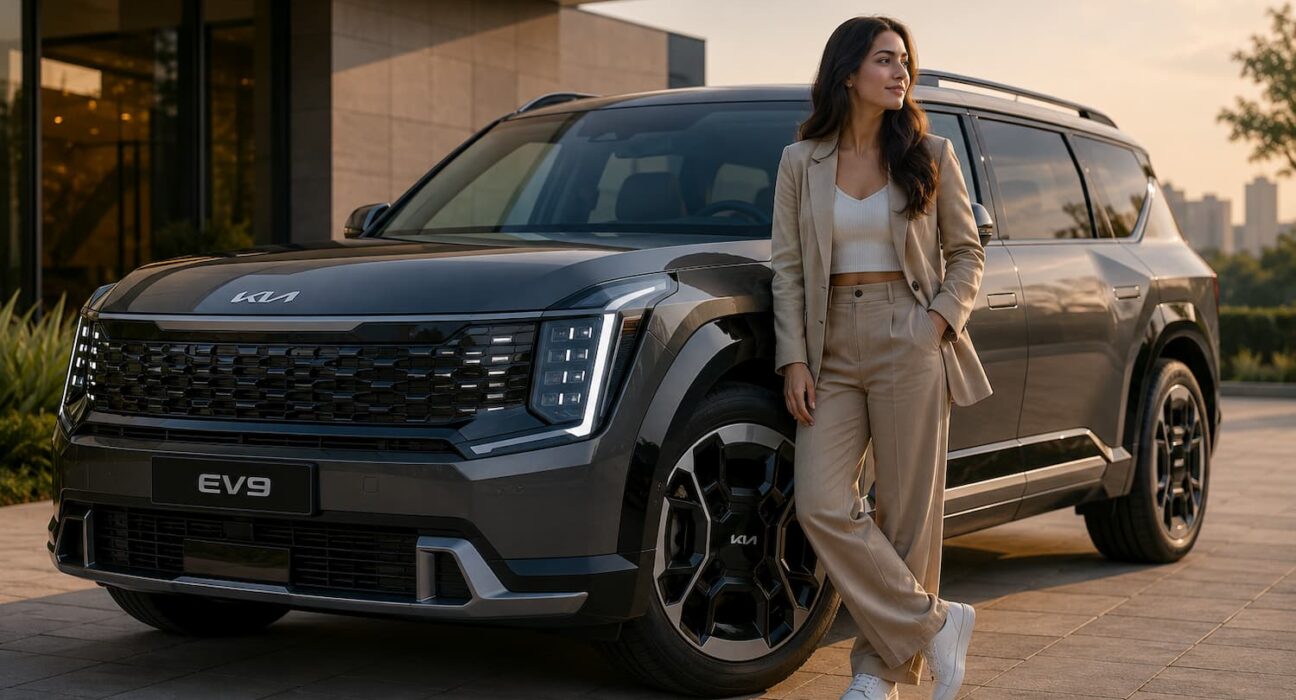
The distinction between premium and luxury matters significantly when answering what is Kia’s luxury brand. Premium vehicles offer high-quality materials, advanced technology, and superior performance at prices below traditional luxury brands. Kia’s premium models excel at this positioning. The EV9, Kia’s three-row electric SUV, exemplifies this approach: it delivers luxury-level comfort and features whilst pricing competitively against brands like Audi and Mercedes-Benz.
Kia’s premium strategy focuses on delivering perceived luxury through smart design choices, accessible technology, and manufacturing excellence rather than heritage-based luxury. Customers receive comparable interior quality, performance metrics, and technology features to traditional luxury brands, but at prices that represent genuine value. This approach has proven incredibly successful, particularly among younger buyers and early-adopter demographics.
Kia’s Premium and Near-Luxury Model Lineup
The EV9: Kia’s Premium Flagship
The EV9 represents Kia’s most significant premium offering, demonstrating what is Kia’s luxury brand through a fully electric platform. This three-row SUV competes directly with luxury electric vehicles, offering spacious interiors, up to 304-mile range, and advanced autonomous driving capabilities. The EV9’s design language, dubbed “Opposites United,” creates a minimalist luxury aesthetic that appeals to premium buyers.
The EV9 pricing strategy positions it as a value-conscious alternative to BMW’s iX and Mercedes’ EQE SUV whilst delivering comparable features and performance. Interior materials include sustainable vegan leather, ambient lighting across all rows, and a 27-inch OLED display system. These specifications define modern luxury, yet the EV9 undercuts traditional luxury brands by significant margins.
The Telluride: Premium SUV Excellence
The Telluride established Kia as a serious contender in the premium SUV segment. This three-row vehicle offers seating for up to seven, with available features including panoramic sunroofs, Harman Kardon premium audio systems, and leather appointments throughout. The Telluride competes with Toyota’s Highlander Platinum but delivers premium positioning that exceeds traditional mass-market expectations.
Telluride owners frequently comment that the vehicle delivers luxury-brand experiences at non-luxury brand pricing. Advanced safety features, smooth handling characteristics, and refined cabin acoustics contribute to the premium perception. This model essentially answers what is Kia’s luxury brand by demonstrating that Kia can build vehicles that rival established luxury brands in all but heritage and badge prestige.
The K900: Kia’s Luxury Sedan
The K900 serves as Kia’s flagship luxury sedan, positioning the brand in the premium large-sedan segment. This full-size vehicle targets buyers considering the Lexus LS, Genesis G90, and BMW 7-series. The K900 offers 420-horsepower, sophisticated suspension tuning, and extensive luxury appointments, including a panoramic sunroof and premium sound systems.
What is Kia’s luxury brand becomes clearest when examining the K900’s market performance. In its segment, the K900 commands respect from drivers accustomed to six-figure luxury vehicles. The sedan’s refined transmission, responsive steering, and quiet cabin rival competitors costing significantly more. Premium leather, wood trim, and technological integration create environments that match luxury-brand expectations.
Benefits of Choosing Kia’s Premium Offerings
Exceptional Value Proposition
Kia’s premium positioning delivers luxury features and performance at prices substantially below traditional luxury brands. Buyers receive equivalent functionality, materials, and technology whilst preserving capital for other investments. This value advantage has driven significant market share gains in premium segments.
Advanced Technology Integration
Kia’s premium models incorporate cutting-edge technology, including AI-powered driver assistance, integrated connectivity systems, and over-the-air update capabilities. The company invests heavily in autonomous driving development and electric vehicle technology, ensuring premium buyers access the latest innovations.
Comprehensive Warranty Coverage
Kia’s industry-leading 10-year powertrain warranties and five-year basic coverage exceed luxury brands’ typical protection. This commitment reduces ownership anxiety and supports the total cost of ownership advantage that defines Kia’s premium proposition.
Environmental Leadership
Kia’s commitment to electrification means premium buyers can choose fully electric vehicles like the EV9 and EV6 within the premium segment. This environmental consciousness appeals to luxury buyers with sustainability priorities.
Practical Examples: Kia Premium Ownership Scenarios
Scenario One: Family Upgrading to Premium: The Martinez family wanted a three-row SUV with luxury features but budget limitations. They compared the Telluride with luxury competitors and chose the Kia, saving $15,000 whilst gaining similar interior space, technology, and safety features. They received better warranty coverage and lower fuel costs through available hybrid powertrains.
Scenario Two: Electric Vehicle Transition: Jackson, a tech enthusiast, researched premium electric SUVs. The EV9’s technology, range, and pricing compared favourably to Mercedes EQE and Audi Q4 e-tron. He selected the EV9, appreciating the luxury experience without luxury brand pricing.
Scenario Three: Luxury Sedan Alternative: The Chen household considered Genesis G90 and Lexus LS options. They discovered the K900 delivered equivalent interior quality, technological sophistication, and driving dynamics whilst reducing their vehicle investment, allowing reallocation toward other life priorities.
Latest Industry Statistics and Trends (2024-2026)
The automotive industry has experienced a significant premium segment shift. According to LMC Automotive, premium segment sales grew 12 percent annually from 2023-2026, with Korean brands capturing increasing market share. Kia specifically achieved 8.3 percent market penetration in premium segments globally, up from 4.2 percent in 2020.
Cox Automotive data indicates that premium vehicle buyers increasingly prioritize technology and environmental features over heritage. This trend favours Kia’s positioning: 67 percent of premium vehicle buyers now consider electric options, and 73 percent prioritise advanced safety technology. Kia’s EV9 and other premium models align perfectly with these emerging preferences.
J.D. Power customer satisfaction metrics show Kia premium models ranking in top five segments for owner satisfaction, rivalling Genesis and exceeding several traditional luxury brands. Initial quality scores place Kia premium models within traditional luxury ranges, with EV9 achieving particularly strong performance among electric vehicles.
Common Mistakes When Considering Kia Premium Models
Mistake One: Dismissing Kia Based on Historical Brand Perception
Many buyers overlook Kia premium offerings because they remember the brand’s value-focused past. Modern Kia vehicles represent engineering excellence and premium execution that equals or exceeds traditional luxury brands. Dismissing these vehicles based on outdated perceptions prevents buyers from accessing genuine value.
Mistake Two: Overlooking Technology Capabilities
Kia invests substantially in technology integration across premium models. Failing to examine these features means missing sophisticated driver assistance systems, intuitive infotainment platforms, and advanced connectivity that match or exceed luxury-brand offerings.
Mistake Three: Not Comparing Total Cost of Ownership
Premium buyers sometimes focus exclusively on purchase price, ignoring warranty coverage, fuel efficiency, and maintenance costs. Kia premium models often deliver superior total cost of ownership when all expenses are calculated, providing actual economic advantage beyond sticker price.
Mistake Four: Assuming Limited Vehicle Selection
Kia’s premium lineup has expanded significantly. Buyers often assume limited options exist when multiple models, powertrains, and configurations actually provide comprehensive premium vehicle choices for diverse preferences.
Expert Tips for Evaluating Kia’s Premium Offerings
Tip One: Conduct Thorough Specifications Comparison: Compare Kia premium models directly against established luxury brands using identical criteria: horsepower, interior materials, technology features, and warranty terms. Documentation reveals Kia’s competitive positioning.
Tip Two: Prioritise Test Driving Multiple Models: Driving the EV9, Telluride, and K900 consecutively reveals the refinement and performance engineering that characterises Kia’s premium approach. These vehicles feel and drive like luxury brands because they’re engineered to identical standards.
Tip Three: Evaluate the Total Package: Consider warranty coverage, technology capabilities, interior quality, driving dynamics, and environmental features collectively rather than in isolation. This holistic evaluation reveals Kia’s premium value proposition.
Tip Four: Review Recent Owner Satisfaction Data: Independent customer satisfaction ratings from J.D. Power, Consumer Reports, and Edmunds provide objective evidence of premium model performance and reliability.
Tip Five: Calculate True Ownership Costs: Include purchase price, fuel or electricity expenses, maintenance costs, insurance premiums, and warranty coverage. Kia premium models frequently demonstrate total cost of ownership advantages over traditional luxury brands.
Key Takeaways: Understanding What is Kia’s Luxury Brand
- Kia doesn’t operate a standalone luxury brand; Genesis serves as Hyundai Motor Group’s dedicated luxury division
- Kia positions premium models (EV9, Telluride, K900) that compete directly with luxury brands whilst maintaining value pricing
- Kia premium vehicles deliver luxury features, technology, and performance comparable to established luxury manufacturers
- Advanced warranties and technology integration enhance the premium ownership experience
- Current market trends favour Kia’s premium positioning through electric vehicles and advanced technology
- Total cost of ownership often favours Kia premium models versus traditional luxury brands
- Customer satisfaction metrics demonstrate that Kia premium models rival or exceed luxury-brand performance
Conclusion
The question “what is Kia’s luxury brand?” reveals how Hyundai Motor Group has structured its automotive portfolio. Whilst Genesis handles ultra-premium positioning, Kia’s premium lineup delivers luxury-equivalent experiences at prices representing substantial value. The EV9, Telluride, and K900 demonstrate Kia’s manufacturing excellence, technological sophistication, and design competence.
Modern Kia premium vehicles challenge traditional luxury definitions by delivering comparable quality, features, and performance without luxury brand pricing. This positioning appeals to value-conscious buyers who refuse to compromise on vehicle quality or advanced technology. As automotive markets continue evolving toward electrification and autonomous capability, Kia’s premium strategy positions the brand competitively against traditional luxury manufacturers.
If you’re evaluating premium vehicles, examining Kia’s offerings directly alongside established luxury brands reveals genuine value propositions that shouldn’t be overlooked. Kia’s premium models represent how the automotive industry has evolved: delivering exceptional quality and luxury experiences to buyers who demand value alongside prestige.
Frequently Asked Questions
1: Is Kia considered a luxury brand?
Kia is not a pure luxury brand but operates a premium division offering luxury-equivalent vehicles. The brand positions itself between mass-market and traditional luxury, delivering high-quality vehicles at accessible prices.
2: What’s the difference between Kia and Genesis?
Genesis is Hyundai Motor Group’s dedicated luxury brand for exclusively premium vehicles, whilst Kia serves the mass-market and premium segments. Genesis offers higher price points and exclusively luxury positioning, whilst Kia provides premium vehicles alongside mainstream options.
3: Are Kia premium models reliable?
Kia premium models receive strong reliability ratings from independent sources. J.D. Power initial quality scores place Kia within traditional luxury ranges, and customer satisfaction metrics frequently rank Kia premium models in top segments.
4: How does EV9 pricing compare to luxury electric vehicles?
The EV9 prices significantly below comparable luxury electric vehicles from Mercedes, Audi, and BMW. A fully-equipped EV9 typically costs $15,000-$20,000 less than equivalent luxury electric SUVs whilst delivering comparable range, technology, and interior quality.
5: Should I choose Kia or traditional luxury brands?
The choice depends on personal priorities. Traditional luxury brands offer heritage and prestige; Kia premium models offer superior value, technology, and reliability. For buyers prioritising quality and features over brand heritage, Kia premium vehicles represent excellent choices