
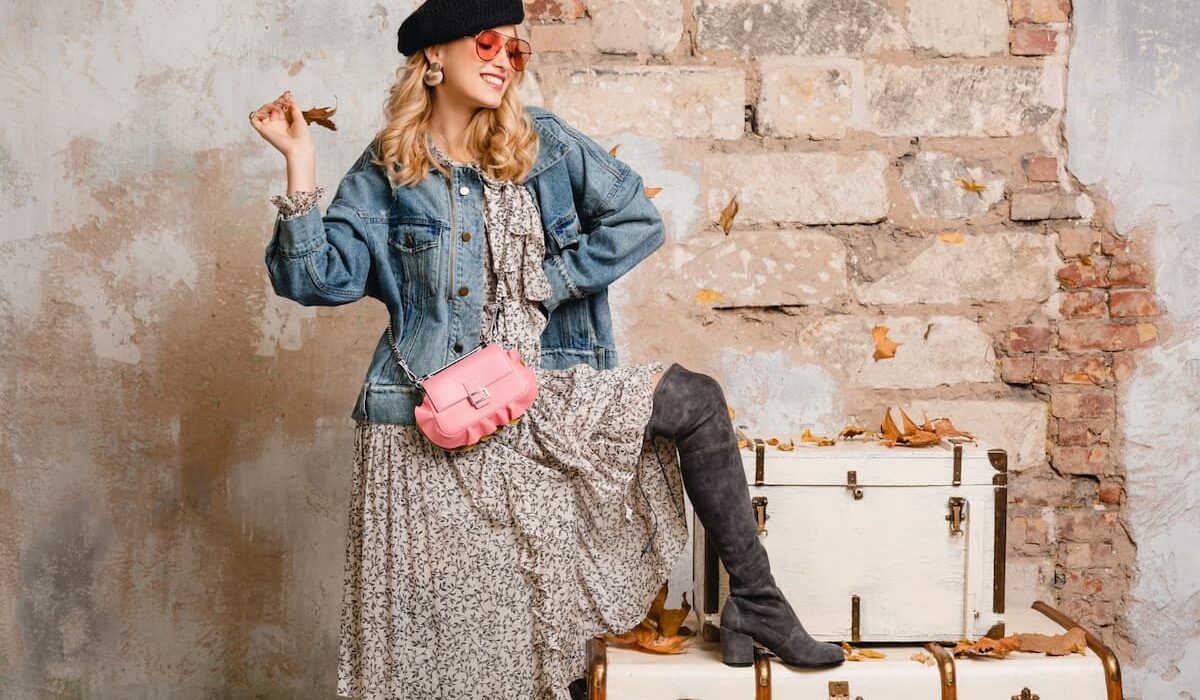
Fashion from the 1940s remains one of the most admired eras in style history. The decade was shaped by global events, changing social roles, and a growing appreciation for practical yet elegant clothing. Today, many designers and fashion enthusiasts still draw inspiration from 1940’s women’s fashion trends because of their timeless appeal, sophisticated silhouettes, and attention to detail. Understanding these classic styles can help modern women incorporate vintage charm into contemporary wardrobes.
Introduction to 1940s Fashion
The 1940s was a decade of transformation. During the early years, clothing was heavily influenced by wartime restrictions. Fabric rationing encouraged simple designs, while women entering the workforce required practical and durable outfits. As the decade progressed and the war ended, fashion became more feminine, polished, and glamorous.
The result was a unique blend of functionality and elegance that continues to inspire fashion trends today.
1. Structured Silhouettes Defined the Era
One of the most recognizable features of 1940s fashion was the structured silhouette.
Key Characteristics
- Strong shoulders
- Fitted waists
- Knee-length skirts
- Tailored jackets
Women often wore outfits that created an hourglass shape while maintaining a professional and refined appearance.
Modern Style Tip
Choose blazers with lightly padded shoulders and pair them with fitted trousers or pencil skirts for a modern interpretation of the classic 1940s look.
2. Utility Fashion Became a Necessity
During World War II, governments introduced clothing restrictions to conserve materials.
Features of Utility Clothing
- Minimal embellishments
- Shorter hemlines
- Fewer pleats
- Functional designs
Despite these limitations, women found creative ways to stay fashionable.
Modern Style Tip
Focus on quality basics and timeless wardrobe staples rather than fast-fashion trends. Simplicity often creates the most elegant style.
3. Dresses Were Feminine and Practical
Dresses remained a wardrobe essential throughout the decade.
Popular Dress Styles
Shirt Dresses
Button-front designs offered comfort and practicality.
Tea Dresses
Lightweight fabrics and floral patterns created a soft, feminine appearance.
Wrap Dresses
These flattering designs highlighted the waist while remaining comfortable.
Modern Style Tip
Invest in versatile midi dresses that can transition from daytime wear to evening occasions.
4. High-Waisted Bottoms Dominated Fashion
High-waisted skirts and trousers were extremely popular.
Why They Were Loved
- Enhanced body proportions
- Created a flattering waistline
- Paired easily with blouses
Many women adopted high-waisted pants while working in factories and offices during wartime.
Modern Style Tip
Pair high-waisted trousers with tucked-in tops to create a sleek and sophisticated appearance.
5. Tailored Suits Became Everyday Essentials
Women’s suits became increasingly popular as more women entered professional environments.
Typical Suit Elements
- Fitted jackets
- Matching skirts
- Neutral colors
- Structured tailoring
These outfits projected confidence and professionalism.
Modern Style Tip
A well-tailored blazer remains one of the most valuable pieces in any wardrobe. Choose neutral shades like navy, black, or beige for maximum versatility.
6. Accessories Played a Major Role
Accessories helped women personalize simple outfits during a time of limited clothing options.
Popular Accessories
Gloves
Worn for both fashion and etiquette.
Handbags
Structured handbags complemented tailored outfits.
Brooches
Decorative pins added elegance and personality.
Scarves
Scarves offered both style and practicality.
Modern Style Tip
A silk scarf can instantly elevate even the simplest outfit and add a vintage-inspired touch.
7. Hats Were a Fashion Statement
Few fashion eras embraced hats as enthusiastically as the 1940s.
Common Hat Styles
- Tilt hats
- Berets
- Fascinators
- Structured felt hats
Women often coordinated hats with their coats, dresses, and handbags.
Modern Style Tip
Try incorporating stylish berets or minimalist hats into your wardrobe during cooler seasons for a sophisticated vintage feel.
8. Hairstyles Completed the Look
Fashion and hairstyles worked together to create a polished appearance.
Popular Hairstyles
Victory Rolls
One of the most iconic hairstyles of the decade.
Soft Waves
Elegant curls framed the face beautifully.
Shoulder-Length Styles
Practical yet feminine cuts became increasingly common.
Modern Style Tip
Loose curls and vintage-inspired waves can add instant glamour to modern outfits without appearing outdated.
9. Makeup Focused on Natural Glamour
1940s beauty trends emphasized a polished but not overly dramatic appearance.
Signature Makeup Elements
- Flawless skin
- Defined eyebrows
- Red lipstick
- Soft eye makeup
Women often prioritized a clean and elegant appearance.
Modern Style Tip
A classic red lipstick remains one of the easiest ways to channel vintage elegance while maintaining a contemporary style.
10. Post-War Fashion Introduced Luxury and Elegance
As the war ended, fashion became more expressive and luxurious.
Changes After the War
- Fuller skirts
- Softer fabrics
- More decorative details
- Increased use of color
Designers embraced femininity and sophistication, setting the stage for the glamorous styles of the 1950s.
Modern Style Tip
Balance structured pieces with flowing fabrics to create a wardrobe that combines elegance with comfort.
How to Incorporate 1940s Fashion Into Modern Wardrobes
Vintage fashion does not require dressing entirely in period clothing. Instead, focus on incorporating specific elements that complement contemporary styles.
Start With Tailoring
Well-fitted clothing is one of the easiest ways to capture the essence of 1940s fashion.
Choose Timeless Colors
Classic shades such as navy, cream, brown, black, and olive green work beautifully with vintage-inspired outfits.
Add Vintage Accessories
Small details like brooches, scarves, and structured handbags can transform a simple outfit.
Focus on Quality
The 1940’s women’s fashion trends emphasized durability and craftsmanship. Investing in quality pieces can help create a more polished wardrobe.
Maintain Balance
Mix vintage-inspired items with modern pieces to avoid looking like you’re wearing a costume.
Why 1940s Fashion Still Influences Designers Today
Many modern fashion trends trace their roots back to the 1940s.
Enduring Elements
- Tailored blazers
- High-waisted trousers
- Structured dresses
- Classic handbags
- Feminine silhouettes
These designs continue to appear on runways because they are flattering, practical, and timeless.
The decade proved that style does not need excessive decoration to make a lasting impact. Instead, thoughtful design, quality construction, and attention to detail can create truly memorable fashion.
Conclusion
The 1940’s women’s fashion trends remain one of the most influential decades in fashion history. The era successfully combined practicality with elegance, producing styles that continue to inspire designers and fashion lovers worldwide. From structured suits and feminine dresses to timeless accessories and sophisticated beauty trends, the decade offers countless lessons for creating a polished wardrobe. By incorporating tailored pieces, classic accessories, and quality craftsmanship into modern outfits, anyone can capture the enduring charm of 1940s fashion while maintaining a contemporary and stylish appearance.